
Introduction
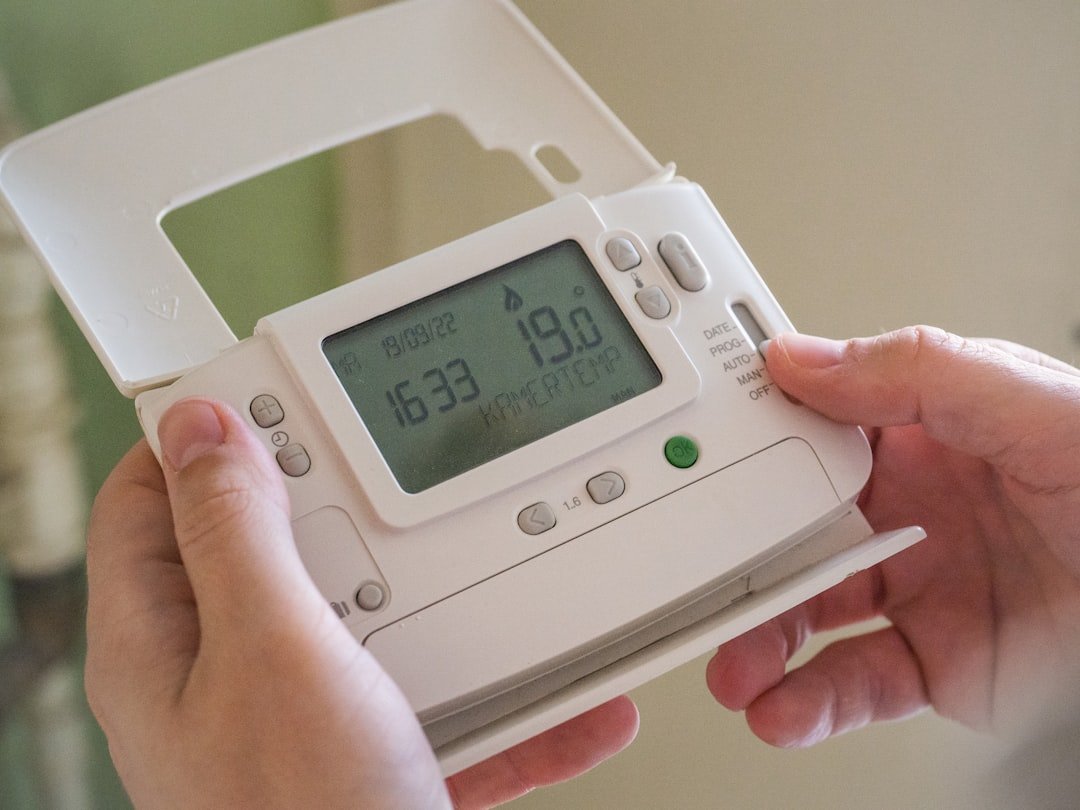
Home energy monitoring turns invisible electricity use into clear, actionable data. With straightforward devices and dashboards you can see which appliances draw the most power, when your home uses peak energy, and which behaviors or devices to target for savings.
This post explains practical ways home energy monitoring reduces power consumption, how to choose and install monitoring devices, and how to combine monitoring with solar, batteries, and smart controls for measurable savings.
What is home energy monitoring and how it helps
Home energy monitoring provides real-time and historical data about electrical use at the whole-home or circuit/appliance level. It typically uses clamp sensors, smart breakers, or plug-level devices to report watts, volts, amps, and energy cost estimates.
For starter systems and specialized devices see options in home energy monitoring systems to compare installation styles and feature sets before buying.
How monitoring reduces consumption — the mechanisms
Monitoring reduces consumption through visibility, informed scheduling, and feedback loops:
- Visibility: Identify high-draw appliances like HVAC, water heaters, or older freezers.
- Scheduling: Shift flexible loads (dishwashers, EV charging, laundry) to off-peak or solar-production windows.
- Behavior change: Real-time alerts or cost readouts encourage simple habits—turning off standby devices, unplugging chargers, or lowering thermostat setpoints.
- Targeted upgrades: Data-driven replacement of inefficient equipment (e.g., swapping a high-draw pump or upgrading insulation) yields better ROI than guesswork.
Devices to install and where
A typical setup mixes a whole-home monitor at the service panel with smart plugs for troublesome circuits. Whole-home CT-based systems give a complete profile; appliance-level devices clarify specific offenders.
For a reliable, installer-friendly option that supports home dashboards and third-party integrations, consider products like the Meross Smart Home Energy Monitor, which includes CT sensors and works with common smart-home platforms.
Smart plugs, appliance-level monitoring, and automation
Smart plugs let you measure and control individual devices without wiring work. They’re ideal for entertainment centers, window AC units, or space heaters—devices that are easy to switch or schedule.
A compact and popular choice for plug-level monitoring is the TP-Link Tapo Smart Plug Mini, which reports energy use and supports automation rules to cut standby loads and schedule operation around solar production or off-peak rates.
Integrating monitoring with solar and backup systems
When you install solar, pairing it with an energy monitor maximizes self-consumption and highlights when to export or store energy. Monitoring shows when solar production covers base loads and when excess can charge batteries.
Explore broader solar components and system-level considerations at the Solar & Renewable Energy category to see compatible panels, inverters, and balance-of-system parts that work with monitoring platforms.
Storage, inverters, and load shifting
Battery storage plus monitoring lets you shift loads from grid to stored solar. Monitoring helps define battery sizing by showing daily consumption curves and peak demand spikes.
If you plan to add storage, check battery options such as solar batteries and coordinate them with compatible inverters. Good integration reduces peak draw from the grid and can minimize demand charges where applicable.
EV charging and demand management
EV charging is often the largest single new load for homes. Monitoring makes it easy to schedule charging when surplus solar is available or when grid rates are lowest. Smart chargers can throttle or pause charging if house demand spikes.
For hardwired smart EV chargers that support scheduling and load management, see options like the ChargePoint HomeFlex Level 2 EV Fast Charger, which pairs well with home monitoring for intelligent charging control.
Complementary backup and portable power options
Monitoring helps you plan for backup capacity by revealing critical loads that must remain powered during outages. That list informs whether you need a small UPS, a portable power station for essentials, or a full battery backup.
When portable or temporary backup is appropriate, review portable power stations as a flexible complement to a monitored system—useful for selective loads during outages and for understanding how long your backup will actually last under real load conditions.
Choosing a monitoring system — practical tips
Choose a system that matches your technical comfort and goals. Key considerations:
- Scope: whole-home CTs for overview; plug-level for appliance detail.
- Data access: local API or cloud? Local-first systems protect privacy and continue operating if internet fails.
- Integrations: Does it work with solar inverters, battery systems, smart thermostats, and EV chargers?
- Installation: Do you need a certified electrician for CT clamps or breaker-level devices?
- Alerts and automation: Look for schedulers, cost alerts, and event triggers to automate savings.
Small checklist — quick actions to start saving
- Install a whole-home monitor to establish baseline consumption.
- Add smart plugs to the top 5 suspected energy hogs and monitor for 1–2 weeks.
- Schedule flexible loads (EV, dishwasher, laundry) during solar production or off-peak hours.
- Use alerts to eliminate phantom loads and set cost thresholds for action.
- Plan battery/inverter capacity using measured peak and daily energy numbers.
FAQ
- Q: How quickly will I see savings after installing a monitor?
A: You can often see behavior-based savings within days; equipment upgrades and system optimizations take weeks to months based on data-driven decisions. - Q: Do monitors require professional installation?
A: Some clamp-style whole-home monitors are DIY-safe, but breaker-level or subpanel installations generally require a licensed electrician. - Q: Can monitoring systems work with solar inverters and batteries?
A: Yes—many monitors integrate directly with inverters and battery systems for combined dashboards and automated charge/discharge control. - Q: Will monitoring reduce my utility bill without replacing appliances?
A: Yes—by changing usage patterns and shifting loads you can lower consumption and demand charges; appliance replacement increases savings further. - Q: Are there privacy or security concerns with cloud-based monitors?
A: Cloud services may collect usage data; choose local-first or reputable cloud providers and enable secure credentials and firmware updates.
Conclusion — practical takeaway
Home energy monitoring makes energy visible and manageable. Start with a whole-home monitor, add selective smart plugs, and use the data to schedule loads, prioritize upgrades, and size batteries or generators. Small changes informed by reliable data typically yield the best cost-to-savings ratio.
Products Featured in This Article
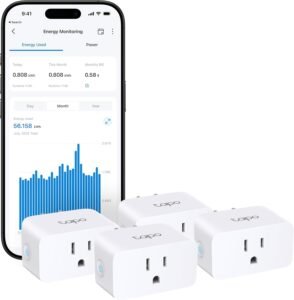
TP-Link Tapo Smart Plug Mini, Matte…
Experience the future of smart home convenience and sustainability with the Tapo P110M Smart Wi-Fi Plug,…
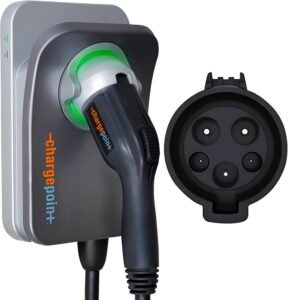
ChargePoint HomeFlex Level 2 EV Fas…
From the brand Charge with Confidence: ChargePoint builds reliable, flexible EV charging stations for home, business,…
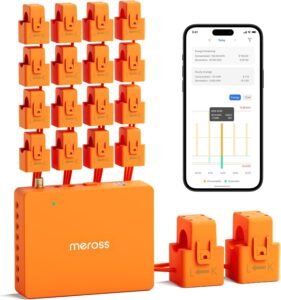
Meross Smart Home Energy Monitor, R…
From the brand Most Popular Smart Water Timer SAFE & RELIABLE: Meross smart energy consumption monitor…
