
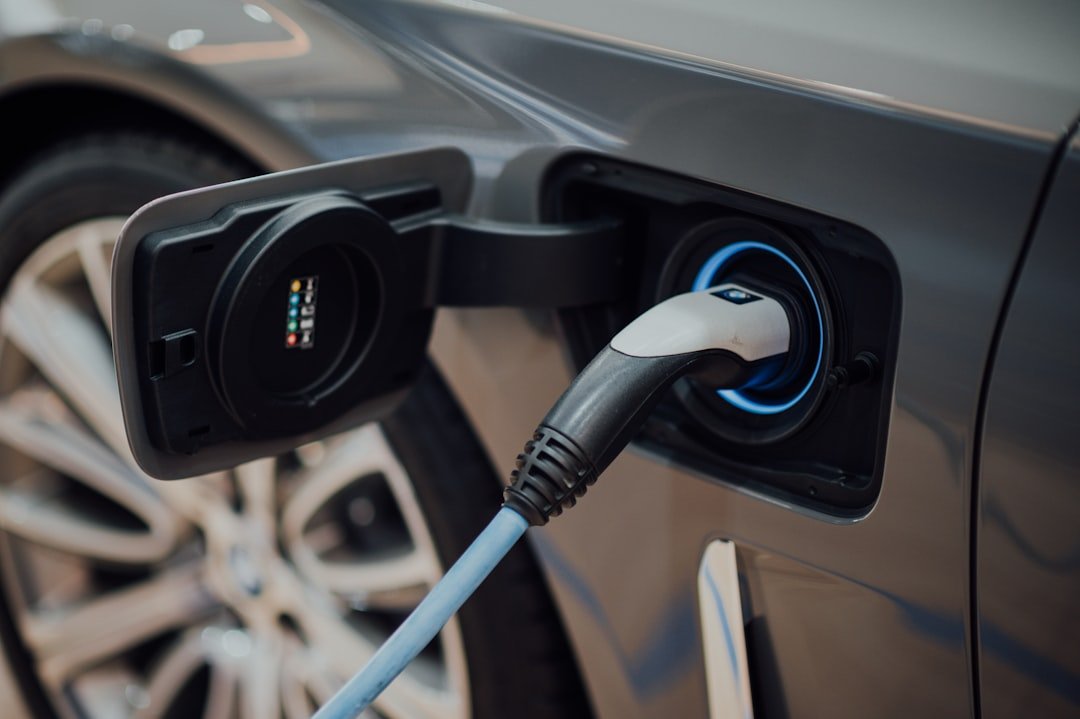
EV Home Charging Explained for First-Time Electric Car Owners
Switching to an electric vehicle brings a different fueling routine: you charge at home. For many new EV owners, the idea of installing a charger, managing electricity use, and integrating with home energy systems can feel overwhelming. This guide breaks down what you need to know in practical, actionable steps.
You’ll learn the common charger types, how to choose the right hardware and installation path, safety and cable-management tips, and options to combine charging with solar or battery backup. Read on to feel confident planning your home charging setup.
Types of Home EV Charging
There are three common levels of EV charging for residential use. Level 1 uses a standard 120V outlet and is slow but convenient for overnight top-ups. Level 2 runs on 240V and typically delivers 3–11 kW for much faster charging. DC fast charging is usually commercial and not common at home.
When shopping, you can compare different models and capacities in the site’s EV chargers, which include portable and hardwired Level 2 options suited to garages and driveways.
How to Choose the Right Charger for Your Home
Decide based on your vehicle’s onboard charger, typical daily mileage, and how quickly you want to replenish range. For most homeowners, a 32–40 amp Level 2 unit is a good balance of speed and cost. If you want a turn-key smart solution, consider models like the Level 2 EV charger that offer plug-and-play convenience with safety certifications.
If you prefer a premium smart, hardwired station with app control and higher amperage, look at options like the ChargePoint HomeFlex Level 2 EV charger, which can be adjusted to your home electrical capacity and integrates with vehicle and energy-management apps.
Installation and Electrical Requirements
Most Level 2 chargers require a 240V circuit and a dedicated breaker. Start by checking your service panel’s available capacity—older homes may need a panel upgrade. Use a licensed electrician for site assessment and installation; they’ll confirm breaker size, conduit needs, and whether you should hardwire the unit or use a NEMA plug.
Ask the electrician to map cable routing for safety and to position the charger so the cable comfortably reaches the vehicle’s port. Get any required permits; inspections ensure the installation meets local codes and will protect you and your warranty.
Smart Charging and Home Energy Monitoring
Smart charging schedules charging during off-peak hours and can optimize based on electricity rates or solar production. If you want to monitor home energy flow and see how EV charging affects your usage, devices like the Meross smart home energy monitor provide real-time power tracking and historic data to inform charging habits.
Smart chargers can also throttle charging speed to avoid tripping your panel, coordinate with other high-draw appliances, and integrate with home energy management systems if you plan to add solar or battery backup.
Adding Solar or Battery Backup for Greener, Cheaper Charging
If you want to reduce grid consumption or charge with on-site renewable energy, start by considering solar panels sized for your typical household load plus EV charging needs. Properly sized PV arrays can supply a large portion of daily driving energy if your usage pattern aligns with daytime production or if paired with storage.
To store daytime solar energy for nighttime charging, you’ll need solar batteries sized for the amount of range you want to replenish after dark. Combining panels and batteries requires inverters and charge controllers sized to your system; consult a solar installer for system design and integration with your EV charger.
Safety, Cable Management, and Accessories
Good cable management protects the cable and connector and prevents tripping hazards. Browse the site’s EV charging accessories for mounts, extension cords (where appropriate), and protective covers to keep connectors off the ground and shielded from weather.
A simple, low-cost accessory that improves tidiness is a dedicated hanger or holster for the charging cable, such as the Anina EV charger holder. Install it at a height that keeps the cable off the ground but within easy reach of the vehicle port.
Costs, Rebates, and Practical Charging Habits
Upfront costs include the charger hardware and installation; expect a wide range depending on model complexity and electrical work needed. Many utilities and local governments offer rebates or incentives for home charger installation or time-of-use rate plans that make off-peak charging cheaper. Check local programs before committing.
Practical habits: plug in every night if you can, set a maximum state of charge (e.g., 80–90%) for daily driving to preserve battery life, and use scheduled charging to avoid peak prices. If you have a solar system, schedule charging during midday production or route excess generation to the car when supported.
Quick Checklist
- Confirm your daily mileage and target charging speed (Level 1 vs Level 2).
- Choose a charger model (portable vs hardwired) and check vehicle compatibility.
- Hire a licensed electrician for panel assessment and installation permits.
- Consider smart features and energy monitoring for efficiency—e.g., a Meross smart home energy monitor.
- If integrating renewables, size solar panels and batteries for your charging needs.
- Install cable management like an Anina EV charger holder to protect equipment.
FAQ
Q: Do I need a special outlet for a Level 2 charger?
A: Yes—Level 2 chargers typically require a 240V circuit and a dedicated breaker. Some portable units plug into a NEMA 14-50 outlet to avoid hardwiring.
Q: Can I use solar panels to charge my EV?
A: Absolutely. Solar panels can power home charging directly during the day and, when paired with solar batteries, can store energy for nighttime charging. Proper system sizing and inverter compatibility are essential.
Q: Is a smart charger worth the extra cost?
A: For most owners, yes—smart chargers add scheduling, load management, and often app control, which can lower charging costs and integrate with home energy systems.
Q: How do I keep my charging cable tidy and safe?
A: Use purpose-built accessories and holders—shop the EV charging accessories and consider a wall-mounted hanger to keep the cable off the ground.
Q: Can I install a charger myself?
A: You should not attempt a full hardwired installation unless you are a licensed electrician. Plug-in portable units may be usable with the proper outlet, but inspections and permits may still be required locally.
Conclusion
Home EV charging is straightforward once you map your daily needs, pick the right charger, and complete a professional electrical installation. If you plan to integrate solar or storage, size equipment thoughtfully and add monitoring to track savings. Start with one clear step—choose the charger type that matches your driving pattern—and schedule an electrician for an assessment.
Products Featured in This Article
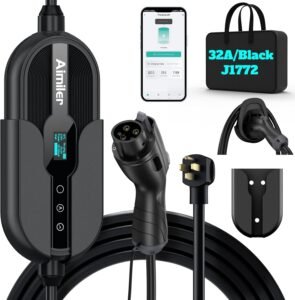
Level 2 Electric Vehicle (EV) Charg…
From the brand 48A EV Charger under 300USD Aimiler is a brand mainly designed with electric…
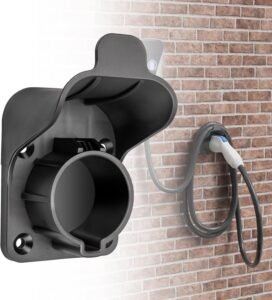
Anina EV Charger Holder SAE J1772 C…
From the brand About Anina As a flagship brand in the field of auto parts, Anina…
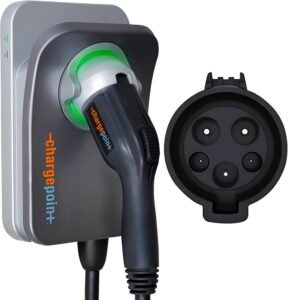
ChargePoint HomeFlex Level 2 EV Fas…
From the brand Charge with Confidence: ChargePoint builds reliable, flexible EV charging stations for home, business,…
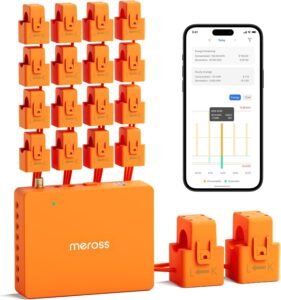
Meross Smart Home Energy Monitor, R…
From the brand Most Popular Smart Water Timer SAFE & RELIABLE: Meross smart energy consumption monitor…
