
Planning a home renewable energy system is a practical way to lower utility bills, increase resilience, and reduce your carbon footprint. A successful project balances real-world constraints — roof orientation, budget, future loads — with smart component choices and proper sizing.
This guide walks you through the essential steps to plan a reliable, future-ready home renewable system. Follow the sequence below to evaluate needs, pick hardware, and build flexibility for EVs and storage.
1. Assess your home’s energy use
Start by establishing how much energy your household uses now and how that might change. Install a whole-home meter or use submetering to track peak loads and daily patterns. For accurate, real-time data that helps sizing and control decisions consider a dedicated monitoring solution such as Home Energy Monitoring to measure consumption, identify waste, and test load-shifting strategies.
2. Evaluate your roof, site, and solar resource
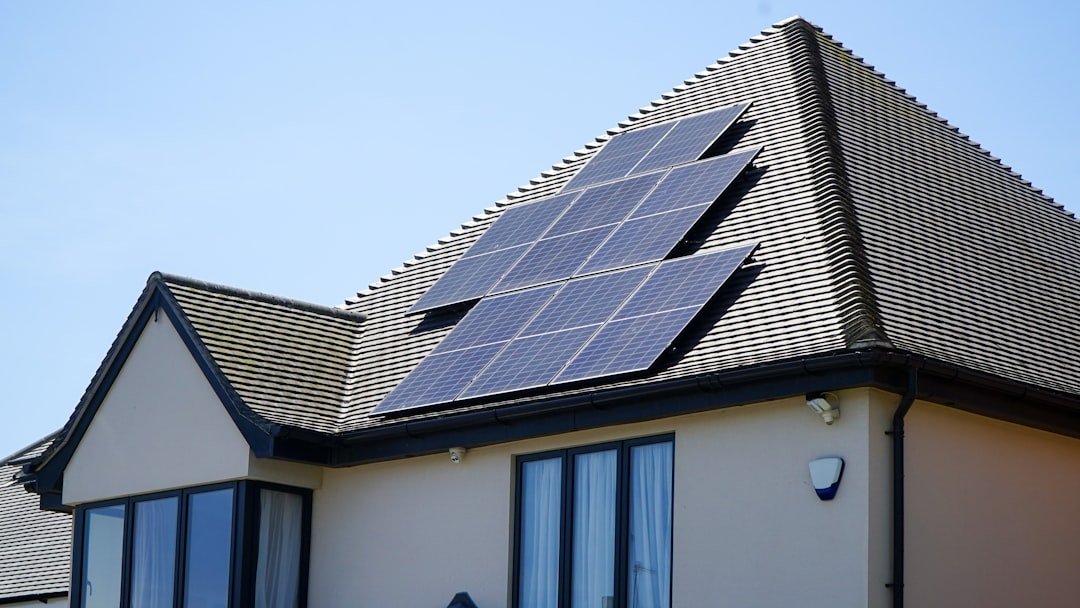
Roof orientation, tilt, shading and structural condition determine how much solar generation you can realistically install. Measure available square footage, check for shading from trees or neighboring buildings, and confirm roof age and permits. When comparing panels for capacity and efficiency, focus on long-term output per roof area; detailed product options are available in the Solar Panels category if you need examples and specifications during planning.
3. Size the system: generation mix and future growth
Convert your energy audit (kWh/year) into needed PV capacity, accounting for system losses, local climate, and desired offset percentage. If you plan to add loads (heat pump, EV charger, expanded home office), size with a 10–30% buffer or design modular expansion. For a holistic marketplace of generation and hybrid solutions that support varied goals, look through resources in Solar & Renewable Energy to compare kits and bundled systems.
4. Plan storage: capacity, chemistry, and runtime
Decide whether you need minimal backup (hours) or multi-day autonomy. Match battery usable capacity (kWh) to critical loads and desired autonomy days. Consider LiFePO4 for longer cycle life and safety, and size for depth-of-discharge and charge/discharge rates. When selecting cells, modules, or bank solutions, review offerings under Solar Batteries to understand tradeoffs between capacity, BMS features, and cost.
5. Choose power electronics: inverters
Inverters convert DC from panels/batteries to AC for home use. Match inverter continuous and surge ratings to your maximum simultaneous loads and battery voltage. Decide between grid-tie, hybrid, or off-grid inverters depending on whether you want export, time-of-use optimization, or full islanding. Evaluate inverter options and specs that support your chosen architecture in the Inverters category.
6. Select charge controllers and system protection
For PV-to-battery charging, MPPT controllers are more efficient and handle higher PV voltages; choose one sized for PV array current and battery voltage. Ensure overcurrent protection, fusing, and proper disconnects are planned into the layout. If you want reliable, higher-efficiency charge management for off-grid or battery-backed systems, review models in the Solar Charge Controllers selection.
7. Backup strategies and resilience
Decide how you will use stored energy during outages: whole-house transfer, critical loads panel, or portable generators plus manual transfer. A hybrid approach — battery-backed inverter with a portable generator for extended outages — gives resilience without excessive capital cost. For products that combine portability and home-backup capability, inspect options in the Backup Power category to see typical runtimes and form factors.
8. EV integration and future-proofing
If you plan to add an electric vehicle, factor EV charging into your generation and storage sizing. Level 2 charging adds significant nightly demand; coordinate charger power, time-of-use tariffs, and possible vehicle-to-home strategies when sizing battery and inverter ratings. Explore charging hardware and compatible home solutions in the EV Chargers category to align conduit, panel capacity, and demand-response features.
Checklist: key planning actions
- Install whole-home energy monitoring and log at least one month of data.
- Measure roof area, shade and structural condition; note permit requirements.
- Calculate PV size from annual kWh target and local insolation (include a 10–30% future buffer).
- Decide battery usable kWh for desired outage duration and critical loads.
- Match inverter continuous/surge rating to maximum expected loads and battery voltage.
- Specify MPPT charge controller sized for array current and voltage.
- Plan electrical protection, disconnects, and interconnection with utility rules.
- Account for EV charging when sizing generation and storage.
FAQ
Q: How do I estimate the PV size I need?
A: Use your annual kWh consumption divided by your region’s average peak sun hours and panel derate factor (0.75–0.85). Add margin for future loads and inefficiencies.
Q: Can I install a renewable system in stages?
A: Yes — design for modular expansion: install conduit, higher-rated inverters or a hybrid inverter, and leave space for more panels and batteries to reduce future upgrade costs.
Q: Should I choose a hybrid inverter or separate inverter plus battery inverter?
A: Hybrid inverters simplify integration and controls but check whether they support your battery chemistry, export rules, and required surge capacity. Separate components can offer flexibility and easier replacement.
Q: What size battery do I need for overnight backup?
A: Identify critical overnight loads (kW) and hours required; multiply to get kWh. Add headroom for inverter inefficiency and depth-of-discharge limits.
Q: How important is system monitoring?
A: Very — monitoring helps validate generation, detect faults, optimize self-consumption, and supports warranty claims. Aim for real-time data and alerts.
Conclusion
Planning a future-ready home renewable system requires clear data, realistic site assessment, and component choices that match your goals. Start with monitoring, size carefully with allowance for growth, and select compatible batteries, inverters, and controls. With a staged, standards-compliant approach you can reduce costs, increase resilience, and smoothly add features like EV charging as needs evolve.
