
Hajj Preparation Guide for First-Time Pilgrims
Preparing for Hajj is both a spiritual journey and a logistical challenge. For first-time pilgrims, clear planning, realistic expectations, and practical preparation make the difference between stress and a focus on worship.
Use reliable resources and purpose-built gear to reduce uncertainty and stay focused on the rites. Smart World Publishing’s dedicated Hajj & Umrah collection is a good starting point for checking essentials and learning what to buy.
1. Understand the sequence and purpose of rituals
Before you pack or book anything, learn the major rites: ihram, tawaf, sa’i, standing at Arafat, muzdalifah, stoning the jamarat, and the final tawaf. Knowing why each act is performed helps you move through the days calmly and intentionally.
For step-by-step explanations and trusted prayer resources, browse the Books, Guides & Islamic Resources available through Smart World Publishing—choose clear guides that include duas, transliterations and practical tips.
2. Documents, visas and money management
Confirm passport validity, visa type, and vaccination requirements well in advance. Make copies of passport, visa pages, accommodation confirmations, and local emergency contacts; keep digital and paper copies separately.
Plan money handling: carry a small amount of local currency for taxis and food, a prepaid travel card for larger expenses, and a secure travel pouch. Notify your bank of travel dates to avoid blocked cards.
3. Physical and mental preparation
Hajj involves long walks, standing for extended periods, and variable weather. Build stamina with regular walking and stair work in the months leading up to travel. If you have chronic health issues, consult your healthcare provider for an individualized plan—bring documentation and a list of medications with generic names.
Mental preparation is equally important: learn to manage expectations, accept delays, and practice patience. Set intentions (niyyah) and short daily goals for prayer and reflection during the pilgrimage.
4. Ihram and appropriate clothing
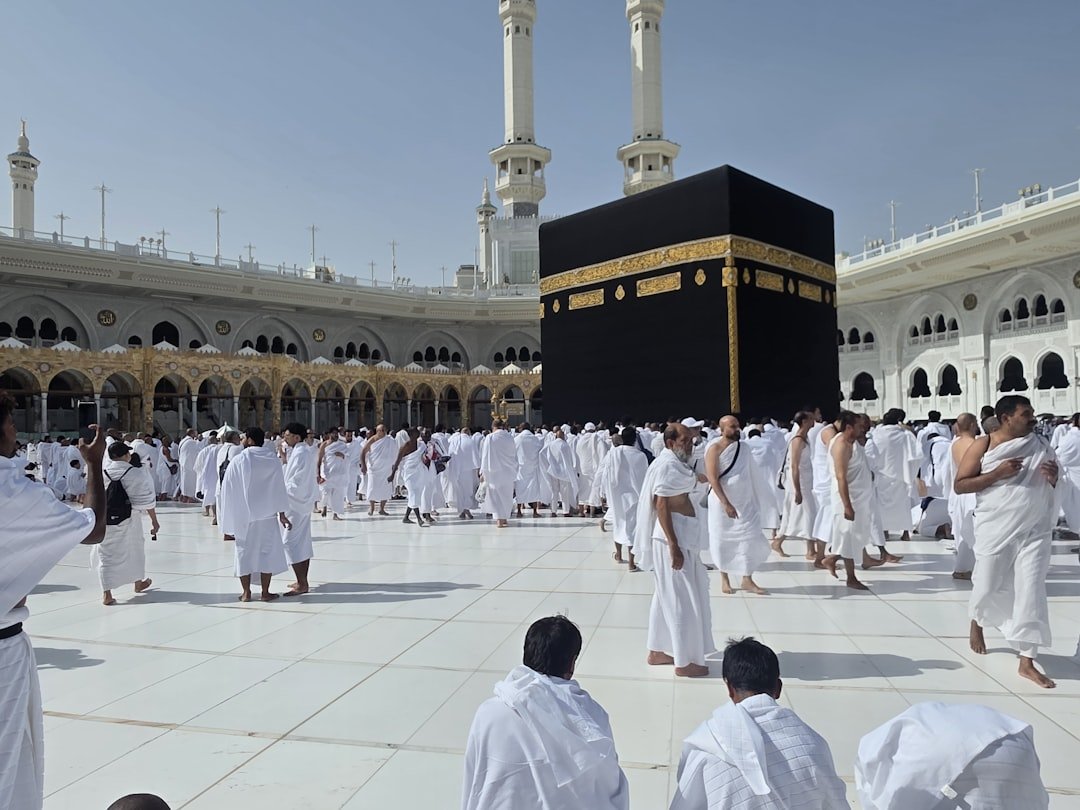
Ihram rules and garments are central to the experience. Men typically wear two white unstitched pieces; women wear modest, comfortable clothing that meets Islamic guidelines. Plan ahead for how and where you will enter Ihram and who will guide you through the process.
Smart World Publishing stocks a range of Ihram & Clothing options and related guidance to help you get the correct garments and understand their care during the pilgrimage.
5. Packing: essentials and smart gear
Pack light but wisely. Prioritize comfort, ease of movement, and items that aid worship. Include these basics in a compact travel bag that is easy to carry and access.
Look for durable, well-organized solutions in the Travel Bags & Organizers category—compartments for documents, a separate shoe pouch, and a lightweight daypack will improve daily logistics.
6. Hydration and personal comfort on site
Heat and crowds increase the risk of dehydration. Carry a refillable water bottle, use sunscreen, wear breathable fabrics, and schedule rest breaks. Small items like cooling towels, electrolyte tablets, and blister care make long days much more tolerable.
Smart World Publishing’s Hydration & Personal Comfort section highlights practical items that help you stay hydrated and manage minor comfort issues so you can remain focused on worship.
7. Prayer tools and worship essentials
Keep a small kit with your prayer items: a pocket Qur’an or reference guide, a compact prayer mat, a tasbih or digital counter, and a list of key duas. These reduce stress when you need to perform prayers between crowds and movement.
Explore the Prayer & Worship Essentials for compact, travel-friendly items designed for pilgrimage. A lightweight, waterproof travel mat is especially useful; consider a reliable option like this Travel Prayer Mat for easy carrying and quick prayer anywhere.
8. Practical on-the-ground tips
Plan daily meeting points with your group, carry contact cards with your hotel name and local phone, and agree on simple signals in case you get separated. During ritual days, arrive early to key locations to avoid last-minute rushes.
Carry small zipped bags for waste and used tissues; keep hand sanitizer and wet wipes for quick cleanliness. Be mindful of local rules and the guidance of group leaders or authorities—following instructions keeps you safe and respectful to others.
9. Useful resources and recommended reading
Choose one or two concise guides that lay out the sequence of actions and include the essential duas and Islamic rulings related to Hajj. Avoid overly long texts that are difficult to carry and reference on the move.
One compact resource to consider is The Muslim Prayer Book (English and Arabic edition), which provides clear instructions and translations that are useful during Hajj and everyday worship.
Quick checklist
- Valid passport, visa, vaccination documents — copies stored separately
- Appropriate Ihram or modest clothing and comfortable walking shoes
- Small travel prayer mat, pocket Qur’an or dua cards, tasbih
- Refillable water bottle, sunscreen, electrolyte packets
- Compact first-aid items, blister plasters, necessary medications
- Durable travel bag with clear compartments for documents
- Emergency contact card with hotel name/address and group leader details
FAQ
- When should I start practicing walking?
Begin a walking program at least 6–8 weeks before travel, gradually increasing distance and carrying a light daypack to simulate Hajj conditions.
- What if I can’t complete a ritual because of illness?
Follow the advice of your group leader and medical staff. Islamic rulings allow adjustments; consult knowledgeable authorities if you must delay or alter a rite.
- How much cash should I bring?
Bring modest local currency for daily small purchases and transport; use a prepaid travel card or credit card for larger payments. Keep cash divided and secure.
- Are electronic prayer aids allowed?
Most small electronic devices like digital tasbih counters and phones are permitted; keep devices on silent during prayers and be considerate of those around you.
- How do I avoid getting lost in crowds?
Agree on landmarks and meeting points, carry group leader contact information, use a visible ID card, and travel with a buddy whenever possible.
Conclusion
Practical preparation—spiritual study, simple compact gear, good physical conditioning, and clear documentation—lets you focus on the experience rather than logistics. Use trusted guides and purpose-built travel items to reduce friction, stay hydrated, and protect your energy so you can perform the rites with clarity and devotion.

