
Solar Panels Explained: Everything Homeowners Should Know
Solar panels are one of the most practical investments a homeowner can make for lowering energy bills and increasing resilience. This guide gives clear, actionable information on how solar systems work, what components matter, and how to plan a system that fits your home and budget.
Read on for straightforward explanations of panel types, system sizing, key components, installation considerations, and backup options so you can make informed decisions without the jargon.
How solar power works — the basics
Solar panels convert sunlight into DC electricity using photovoltaic cells. That DC power flows through a charge controller (in off-grid systems) or into an inverter (for grid-tied systems) to become usable AC for household appliances. When paired with batteries, a system can store energy for use at night or during outages; when grid-tied without batteries, excess power can often be exported back to the utility.
Types of solar panels and what to choose
Most residential panels fall into monocrystalline, polycrystalline, and thin-film categories. Monocrystalline offers higher efficiency and a smaller footprint, polycrystalline is slightly cheaper, and flexible thin-film is useful on curved or weight-sensitive surfaces. For a full look at available module options and products, see Solar panels.
Sizing your system: how to calculate needs
Start with your annual electricity usage (kWh) from utility bills, then decide the portion you want to replace with solar. Consider roof orientation, shading, and local solar irradiance. A basic formula: required system size (kW) = annual kWh ÷ (1,000 × average peak sun hours per day × system performance ratio). For more accurate, circuit-level insights to refine those numbers, consider a Home Energy Monitoring device to track real usage and time-of-day demand.
Inverters: the heart of a grid-tied system
Inverters convert DC output from panels (or batteries) to AC usable in your home. There are three common types: string inverters (cost-effective for uniform arrays), microinverters (module-level performance, better under shading), and hybrid inverters (manage both solar and batteries). Choosing the right inverter affects system efficiency, expandability, and monitoring capabilities. Explore inverter options and specs when comparing installers and equipment.
Batteries and storage: when they’re worth it
Batteries let you store surplus solar generation for use during evenings or outages. Lithium iron phosphate (LiFePO4) batteries are popular for their long cycle life and safety profile; lead-acid is cheaper but bulkier and shorter-lived. Size batteries based on desired backup duration and depth of discharge. For shoppers, review available battery options and capacities to match your load and budget in the Solar Batteries category.
Charge controllers: protecting battery health
In off-grid or battery-backed systems, a charge controller regulates current from panels to batteries, preventing overcharge and extending battery life. MPPT controllers are more efficient (especially in varying light or higher-voltage arrays) compared with PWM controllers. For typical residential battery systems, an MPPT unit is preferred; browse suitable controllers and their specs at Solar Charge Controllers.
Mounting, wiring and installation accessories
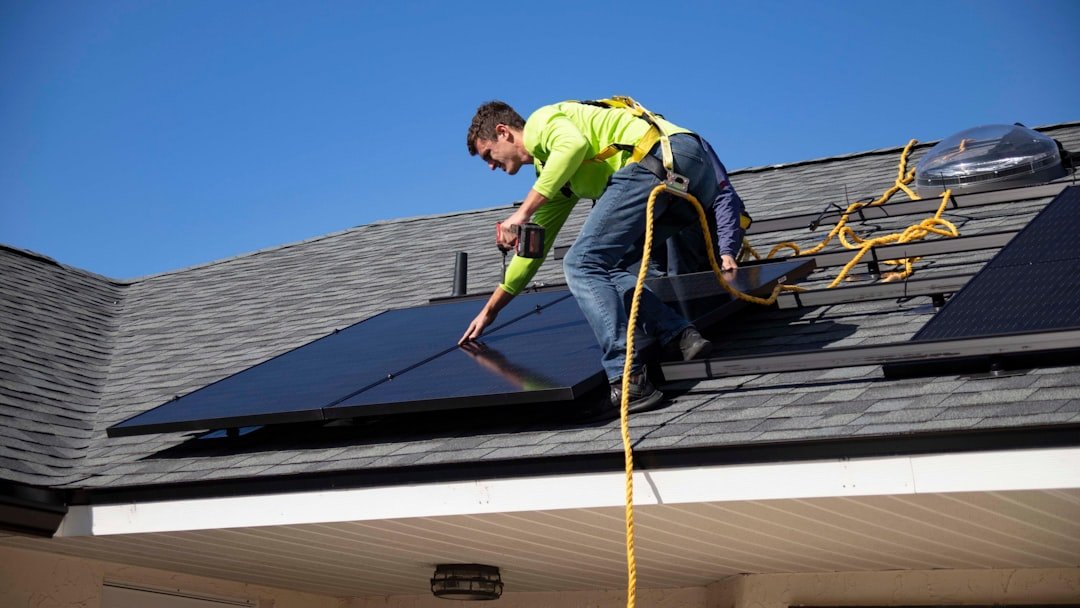
Correct racking, flashing, wiring, connectors, and conduit keep your array safe and long-lasting. Materials should be rated for local weather and roof type; poor mounting is a common source of leaks or premature problems. Invest in quality components and proper labor. If you’re sourcing parts or planning a DIY-assisted install, check compatible hardware and installation aids in the Solar Installation Accessories category.
Backup power, outages and portable solutions
For whole-home backup or critical-circuit support, integrated solar-plus-storage systems tied to automatic transfer switches provide seamless power during outages. For modular or temporary backup, consider solar generators that pair panels with built-in inverters and batteries for simpler deployment. See the range of combined solutions in the Solar Generators category.
If you want portable, campsite-ready or short-term emergency power, lightweight options exist as well — portable stations are compact and user-friendly for home use, travel, and quick deployment. Compare portable units and capacities at Portable Power Stations.
Permits, incentives and maintenance
Permitting and interconnection are often required; your installer typically handles application packages. Investigate local incentives, rebates and tax credits that can significantly reduce upfront cost. Maintenance is minimal: keep panels clean and inspect mounts, wiring, and inverters annually. Batteries require periodic checks per manufacturer guidelines.
Checklist: key decisions before you buy
- Confirm average annual kWh and your target offset percentage.
- Assess roof orientation, tilt, shading, and structural capacity.
- Decide whether you need battery backup or just grid-tied savings.
- Choose panel type (efficiency vs cost) and inverter topology.
- Plan for permits, interconnection, and available incentives.
- Budget for quality installation accessories and warranties.
Frequently asked questions
- How long do solar panels last?
Most panels are warrantied for 25 years, and many produce usable power beyond that with gradual efficiency loss. - Do I need batteries?
Batteries are optional. They provide resilience and time-shifting but add cost. If your priority is maximum bill savings on a well-compensated net metering plan, batteries may be unnecessary. - How much roof space do I need?
A 5–6 kW system typically needs 300–400 sq ft of usable, well-oriented roof. Efficiency and panels’ wattage affect exact area. - Can I install panels myself?
DIY is possible for small arrays, but professional installers handle permits, structural concerns, and warranties. Use quality accessories and follow electrical codes if attempting DIY. - What is the best time to buy?
Prices and incentives change. Buy when you have reliable contractor quotes, understand incentives available to you, and are ready to commit to maintenance and warranty terms.
Conclusion
Solar panels can cut energy bills, increase home resilience, and raise property value when planned to match your needs. Start by tracking your energy use, evaluate roof and budget constraints, and choose durable components—panels, an appropriate inverter, proper charge control and batteries if you need them. Small upfront planning yields years of reliable, lower-cost power.
