
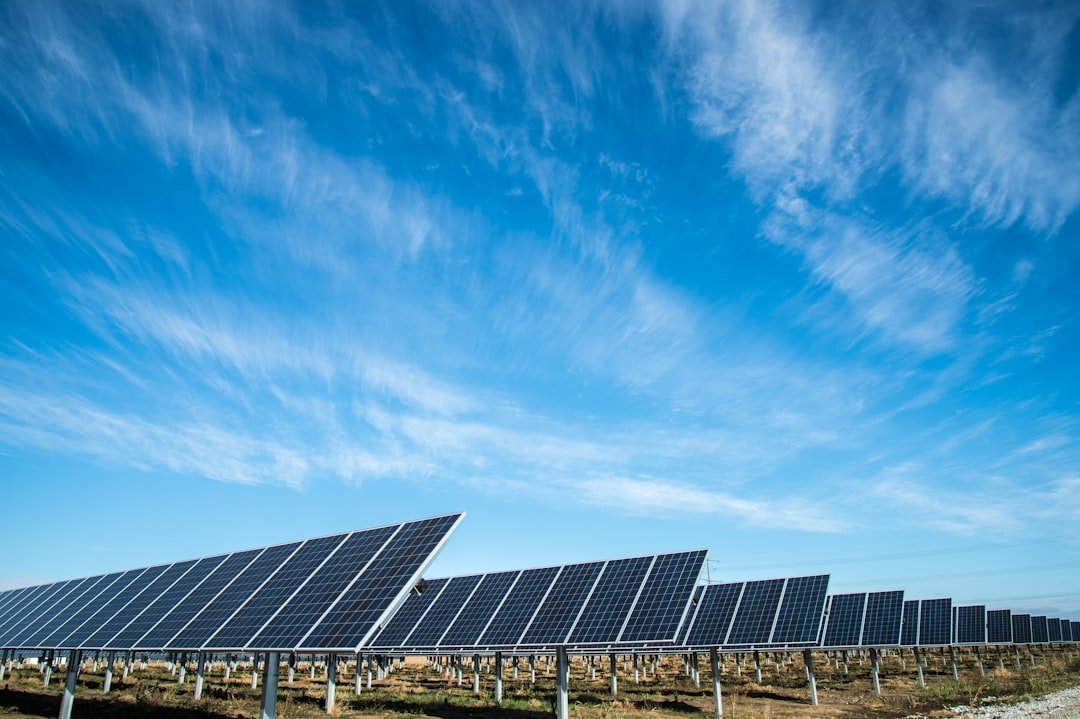
What Is a Solar Inverter and Why Is It Important?
Solar panels produce direct current (DC) electricity. Most homes and businesses use alternating current (AC). A solar inverter is the device that converts DC from solar panels into usable AC power for appliances, electronics and the grid. It’s the technical bridge between your solar array and everyday electrical devices.
Beyond simple conversion, modern inverters manage safety functions, maximize energy harvest, enable battery charging and coordinate with monitoring systems. Choosing the right inverter and installing it correctly changes how reliable and economical a solar system will be.
How a Solar Inverter Works
At a basic level an inverter takes DC voltage from solar panels and pulses it into an AC waveform that matches the grid or your home’s electrical standards. It synchronizes voltage, frequency and phase so that appliances see stable power. The inverter also handles protective features such as anti-islanding, surge suppression and fault detection.
Because the inverter interfaces directly with your PV array, it’s important to consider the characteristics of your Solar Panels — their voltage, current, string configuration and expected output — when selecting an inverter. Matching these parameters prevents losses and ensures safe operation.
Types of Solar Inverters
There are several common inverter types, each suited to different system designs:
- String inverters — a central unit for multiple panels; cost-effective for uniform roof arrays.
- Microinverters — one per panel; maximize output for shaded or mixed-orientation arrays.
- Hybrid (or multi-mode) inverters — integrate solar, battery charging and grid interaction in one device.
- Off-grid inverters — designed for stand-alone systems without grid connection.
If you’re considering a hybrid or all-in-one option that supports batteries and off-grid operation, check models such as the SUMRY Hybrid Solar Inverter, 4000W — it illustrates how modern units combine inverter and charge-control features for flexible installations.
Sizing and Selecting the Right Inverter
Correct sizing ensures the inverter can handle peak loads, startup currents of motors and your expected PV output. Key factors to review:
- Continuous and surge power ratings (e.g., 3000 W continuous, 6000 W surge).
- Voltage input range compatible with the PV string or battery bank.
- Conversion efficiency and waveform quality (pure sine wave is recommended).
- Grid-tie certifications and safety features required by your utility.
Use real consumption data to avoid oversizing or undersizing. A dedicated monitoring solution like Home Energy Monitoring helps you track loads, identify peak usage and make a data-driven inverter choice.
Batteries, Backup Power and Inverter Roles
When you add energy storage, the inverter’s role expands — it must charge batteries, discharge them to supply AC, and often act as an uninterruptible power supply (UPS) during grid outages. The battery chemistry (lead-acid, LiFePO4) and voltage dictate compatible inverter models.
Shop for appropriately rated Solar Batteries and ensure the inverter supports the battery type and communication protocol required for safe charging and battery management.
For homeowners who want seamless outage protection, consider systems that pair the inverter with a backup plan. Products found under Backup Power illustrate how inverters enable whole-home or critical-load transfer during blackouts.
Installation Considerations and Accessories
Correct location, ventilation, wiring and protection devices keep an inverter reliable and safe. Installers must plan for:
- Mounting on a solid surface, away from direct weather unless rated for outdoor use.
- Adequate clearance for airflow and service access.
- Proper DC overcurrent protection, AC breakers and grounding.
- Conduit runs and cable sizing consistent with voltage drop and code.
Use purpose-built hardware and quality parts for longevity — items in the Solar Installation Accessories category cover mounts, connectors and protective gear installers rely on. Also coordinate inverter operation with a dedicated Solar Charge Controller when a separate controller is part of the system, especially for battery-based setups.
Monitoring, Maintenance and Longevity
Inverters are electronic equipment and benefit from monitoring to spot faults, performance drops or required firmware updates. Regular checks catch issues like degraded capacitors, cooling-fan failure or wiring corrosion before they cause outages.
Integrating an inverter with a system-level monitoring tool — or choosing an inverter with built-in telemetry — simplifies troubleshooting and performance tracking. Consider adding a monitoring solution from the Home Energy Monitoring selection for real-time visibility and long-term data logging.
Benefits, Trade-offs and Return on Investment
A good inverter maximizes energy harvest, reduces downtime and protects your investment. Benefits include higher usable solar output, the ability to use stored power during outages, and improved safety and compliance. Trade-offs involve upfront cost, the need for occasional maintenance and potential replacement after 10–15 years depending on quality and conditions.
To calculate ROI, factor in system efficiency, local electricity rates, incentives and the inverter’s expected lifespan. A higher-efficiency inverter with remote monitoring can produce more usable kilowatt-hours over its life and reduce payback time.
Quick Checklist: Choosing and Installing an Inverter
- Confirm inverter type matches system (grid-tie, hybrid, off-grid).
- Verify voltage and current compatibility with solar panels and battery bank.
- Check surge and continuous power ratings against household loads.
- Ensure required certifications and anti-islanding features for your utility.
- Plan ventilation, mounting and wiring following code and manufacturer guidance.
- Include monitoring and maintenance plan; schedule firmware updates and inspections.
- Choose quality installation accessories to reduce failure points.
Frequently Asked Questions
-
Q: Can I connect an inverter directly to batteries and solar panels?
A: Only if the inverter supports both battery charging and PV input (hybrid inverter) or if you include a compatible charge controller. Improper connections can damage equipment.
-
Q: How long does a solar inverter last?
A: Typical lifespans are 10–15 years for string inverters; microinverters often last longer. Environmental factors and quality affect longevity.
-
Q: Do microinverters improve output on shaded roofs?
A: Yes. Microinverters optimize output per panel, reducing the impact of shading or mismatch compared with a single string inverter.
-
Q: Is a hybrid inverter worth the extra cost?
A: If you plan to add batteries, want backup capability, or prefer an integrated system, a hybrid inverter often reduces component count and simplifies installation.
-
Q: Can an inverter work during a grid outage?
A: Grid-tied inverters typically shut down for safety. Hybrid and off-grid inverters with battery support and transfer switches can supply power during outages.
Conclusion
A solar inverter is central to a reliable and efficient PV system — it converts power, protects equipment, enables storage and ties the system to your home or the grid. Match inverter type and ratings to your panels, loads and backup needs, use proper installation accessories and monitoring, and plan for maintenance. Taking these steps ensures your inverter delivers clean, dependable energy for years to come.
Products Featured in This Article
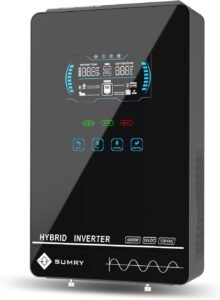
SUMRY Hybrid Solar Inverter, 4000W …
Product description All-in-one Inverter Charger with 140A MPPT Solar Controller Warm Tips: Before wiring and using…
