
How to Build an Off-Grid Solar Setup for Your Home
Going off-grid with solar is one of the most practical ways to reduce dependence on the grid, increase resilience during outages, and lower long-term energy costs. A reliable off-grid system balances production, storage, and load management—designing it correctly up front saves time, money, and headaches.
This guide walks you step-by-step through planning, component selection, installation considerations, and maintenance so you can build an off-grid solar setup that fits your needs and budget.
1. Assess Your Energy Needs
Start by mapping everything you want to run off-grid: lights, refrigeration, water pump, HVAC, EV charging, and occasional tools. Track daily kWh usage for a week or use past utility bills to estimate monthly consumption, then convert to average daily kWh. If you want precision, install a local home energy monitoring device to log real-time loads—this makes system sizing far simpler and more accurate.
2. Size Your Solar Array
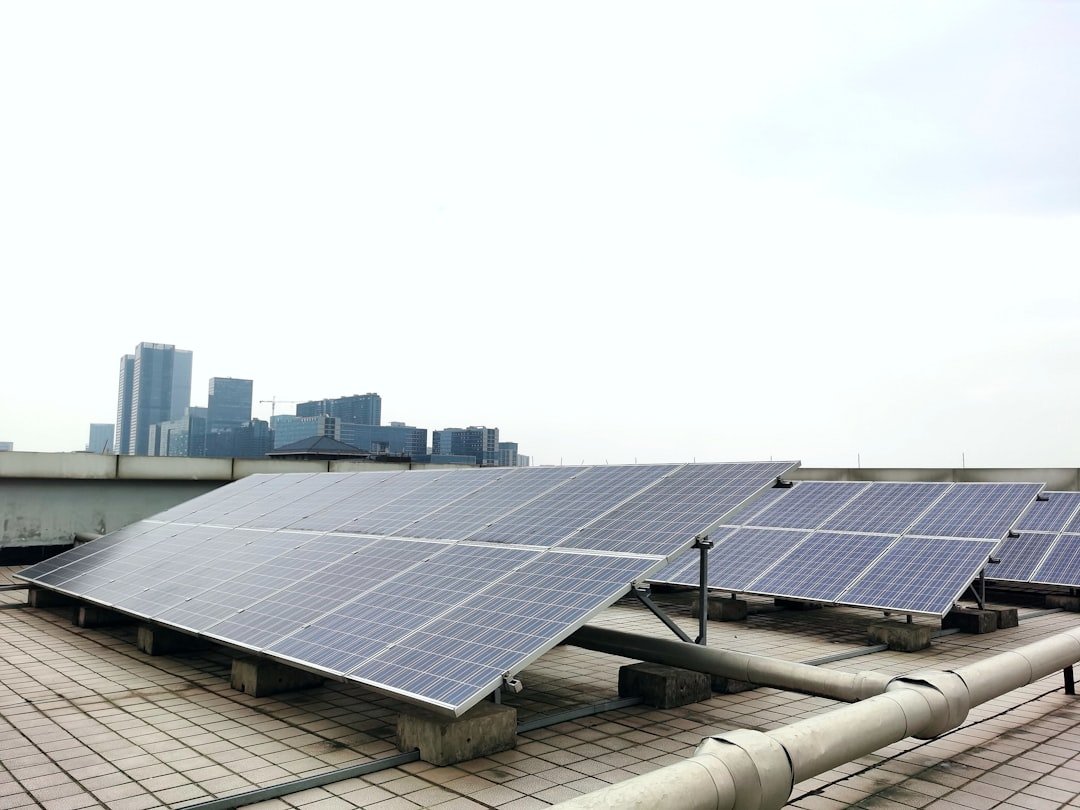
Once you know your daily kWh target, calculate solar array size based on peak sun hours in your location. As a rule of thumb: Required Watt-hours / peak sun hours = array wattage. Factor in system losses (~20%) for temperature, inverter losses, and wiring. Choose efficient panels with reliable warranty terms; your local list of solar panels will show options for off-grid and rooftop systems.
3. Choose the Right Charge Controller
The charge controller regulates panel-to-battery charging, maximizes energy harvest, and protects batteries from overcharge. For larger off-grid systems, MPPT controllers are preferred for efficiency and voltage flexibility. Size the controller by matching its current rating to your panel array’s maximum output; you’ll find suitable models among available solar charge controllers.
4. Select and Size Batteries
Batteries are the heart of any off-grid system. Decide on usable storage (days of autonomy), depth-of-discharge, cycle life, and maintenance. Lithium (LiFePO4) offers longer life and higher usable capacity versus lead-acid, though at higher upfront cost. Calculate required battery capacity: Daily kWh × days of autonomy ÷ system voltage ÷ allowable DOD. Browse reliable solar batteries and compare BMS features, temperature limits, and warranty terms when selecting cells or battery packs.
5. Pick an Inverter and Design AC Distribution
Your inverter converts battery DC to AC for household loads. Match continuous and surge power ratings to peak demand (motors, compressors). Consider hybrid inverters with built-in charging and generator integration for simplified wiring. If you need multiple AC circuits, size a subpanel and distribution wiring to standard codes. Look for certified inverters with efficiency specs and surge capacity suitable for your setup.
6. Mounting, Wiring and Installation Accessories
Good mechanical and electrical installation prevents long-term failures. Choose mounts appropriate for roof type or ground racking, use proper PV-rated wiring and conduit, and protect connections from weather. Include fuses, breakers, grounding, and PV combiners per code. For hardware—clips, mounts, wire management and connectors—the range of installation accessories will cover the items you need for a tidy, safe install.
7. Backup Strategies and Hybrid Options
Off-grid systems benefit from planned redundancy: a generator for extended low-sun periods, portable backup units for short-term needs, or a hybrid grid-tied inverter that accepts generator input. If you expect occasional long winter strings of low production, include a dedicated backup power strategy—whether a fuel generator, a stored-fuel system, or a larger battery bank—to avoid energy shortfalls.
8. Monitoring, Optimization, and Portable Support
Monitoring helps you spot performance drops, panel shading, or battery issues before they become critical. Remote monitoring, load-shedding schedules, and firmware updates can extend system life. For flexible use, keep a portable power station or two on hand: they’re ideal for testing loads during commissioning, short-term outages, and mobile tasks without disturbing the main system.
Checklist: Quick Build & Commissioning Items
- Energy audit completed and daily kWh target established
- Solar array wattage calculated and suitable panels selected
- Charge controller sized (MPPT recommended)
- Battery capacity computed and battery chemistry chosen
- Inverter sized for continuous and surge loads
- Mounts, connectors, breakers, and fuses procured
- Grounding, conduit, and PV combiner boxes specified
- Monitoring system installed and tested
- Backup/generator plan in place for low-production periods
Maintenance and Safety Tips
Schedule quarterly checks: inspect panel cleanliness and mounts, test battery voltage and specific gravity if applicable, verify wiring and breaker status, and review monitoring logs. Keep battery compartments ventilated and follow manufacturer temperature limits. Always de-energize circuits before working on wiring and follow local electrical codes; when in doubt, hire a certified installer for mains and battery work.
Conclusion
Building an off-grid solar home is a practical investment when you size systems to real usage, choose components that match expected loads and environment, and plan for backup and monitoring. Start with accurate load data, pick quality components, and follow safe installation practices—those steps reduce risk and ensure reliable power for years.
FAQ
- Q: How big should my battery bank be?
A: Size by daily kWh × desired days of autonomy ÷ system voltage ÷ max DOD. Factor in inefficiencies and aging. - Q: Do I need an MPPT controller?
A: For most off-grid systems with multi-panel arrays or higher voltages, MPPT controllers are recommended for better efficiency. - Q: Can I add panels or batteries later?
A: Design the system with expansion in mind—oversize the charge controller and inverter capacity if you plan future growth. - Q: How do I handle heavy loads like well pumps or HVAC?
A: Account for motor starting surges in inverter sizing and consider dedicated circuits or soft-start devices for large motors. - Q: Should I include a generator?
A: Generators provide reliable extended backup and are recommended if you face multi-day low-sun events or critical loads.
