
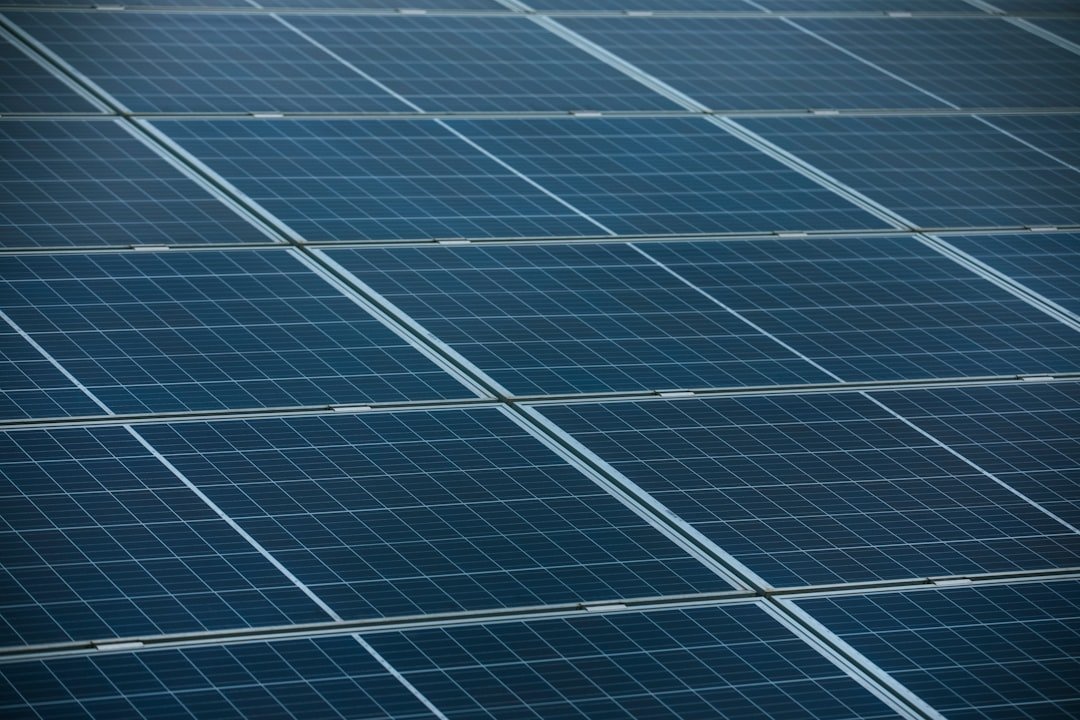
How Often Should You Clean Solar Panels?
Keeping solar panels clean is one of the simplest ways to protect system performance and maximize return on your investment. Dirt, dust, bird droppings and pollen all reduce the light reaching cells, and small drops in efficiency add up over months and years.
This guide explains practical cleaning frequencies, how to tell when panels need attention, safe cleaning methods, and how panel cleanliness affects the rest of your system so you can choose the right maintenance plan.
Why cleaning matters
Solar arrays are designed to capture sunlight efficiently, but even thin layers of grime can cut output noticeably. For typical rooftop systems, annual losses from soiling often range from a few percent to double-digits in dusty or coastal areas. That’s why routine checks and cleaning are part of good upkeep for solar panels.
How often should you clean?
There is no single schedule that fits every site. Use these practical guidelines:
- High-dust, desert, agricultural or bird-heavy areas: inspect monthly, clean every 1–3 months.
- Urban/suburban with moderate pollen or pollution: inspect seasonally, clean 1–2 times per year.
- Wet climates with regular rain: inspection twice a year; rain often provides enough natural cleaning, but check after pollen season and storms.
If you plan minor DIY upkeep between professional visits, invest in appropriate solar installation accessories—squeegees, extension poles, soft brushes and safe roof harnesses—to reduce risk and avoid scratching panels.
How to tell when panels need cleaning
Visual inspection is useful, but the most reliable method is to watch production data. If your daily or hourly kilowatt-hours drop by more than expected from weather changes, soiling may be the cause. Using a home energy monitoring system makes this easy: look for persistent, unexplained underperformance at peak sun hours.
How dirt affects system electronics
Dirty panels create uneven shading across modules. That mismatch can force panels to operate at lower voltages or cause micro-inverter and string inverter clipping. If output dips significantly, inverters may register fault codes or reduce power to protect the system. Keep panels clean to avoid unnecessary cycling and potential stress on inverters.
Charge regulation and batteries: why cleanliness matters for storage
If your system includes battery storage, reduced panel output affects how quickly batteries reach full charge and how often they cycle. Poor sunlight capture can force charge controllers to run at non-ideal points, causing longer charge times and deeper discharge cycles. Proper maintenance helps solar charge controllers operate efficiently and extend battery life.
Impact on energy storage and backup
Lower production from dirty panels means batteries get less energy each day. That can reduce the amount of usable stored energy and shorten backup duration during outages. Regular cleaning preserves charging throughput for solar batteries and improves resilience for critical loads.
EV charging and day-to-day loads
If you use solar to offset vehicle charging, soiling reduces the kilowatt-hours available during peak daylight. That may push more charging into grid hours or lengthen charge times. Keep arrays clean if you rely on on-site generation for your EV chargers to minimize added cost and charging delays.
When to call a professional — and alternatives
Call a pro if panels are on a steep roof, dirty with hardened bird droppings, show physical damage, or if you’re unsure about electrical shutdown procedures. Professionals have safe access gear and proper cleaning solutions. If you need temporary power or want to avoid disruptions while panels are taken offline, consider a temporary backup such as a solar generator or portable power source to keep critical circuits running.
Best cleaning methods and safety tips
Follow these practical, safe cleaning practices:
- Turn off the PV system following manufacturer and inverter shutdown steps before cleaning on the roof.
- Use soft brushes or a squeegee with deionized water; avoid abrasive pads and high-pressure washers that can damage seals and frames.
- Clean early morning or late afternoon when panels are cooler to avoid thermal shock.
- Wear fall protection on slopes and never lean on panels—the glass can crack under point loads.
- Spot-clean heavy grime rather than aggressive scrubbing; recurring gentle cleanings prevent buildup.
Maintenance checklist
- Inspect visually after major storms, pollen season, or heavy bird activity.
- Compare production to historical data weekly or monthly if you have monitoring.
- Schedule gentle cleanings 1–4 times per year based on environment.
- Hire professionals for steep roofs, large arrays, persistent soiling, or if physical damage is suspected.
- Keep gutters and nearby trees trimmed to reduce debris and shade.
FAQ
Q: Will rain clean my solar panels?
A: Light rain removes some dust and pollen, but it often leaves a thin residue that still reduces output. Rain helps but isn’t a full substitute for intentional cleaning in dirty environments.
Q: Can I use a pressure washer?
A: No. High-pressure water can damage seals and wiring. Use low-pressure deionized water and soft tools or hire a pro.
Q: How do I know if soiling is the problem vs. equipment failure?
A: Compare production against clear-sky expected output for your location and time of year. If production falls only during peak sun hours and recovers on clean days, soiling is likely. Sudden drops or faults often point to electrical issues.
Q: Is DIY cleaning safe?
A: It can be if panels are easily accessible, on a low slope, and you follow safety steps. For steep roofs or large arrays, use professionals.
Q: Does cleaning void warranties?
A: Proper cleaning with recommended materials and following manufacturer instructions typically does not void warranties. Avoid harsh chemicals and abrasive tools; check your warranty for specifics.
Conclusion — practical takeaway
Inspect panels regularly and use production data to identify underperformance. In most regions, cleaning 1–2 times per year is sufficient; in dusty or bird-heavy areas clean more often. Use soft tools, follow safety procedures, and call professionals when access or heavy soiling makes DIY risky. Consistent, modest maintenance keeps your system producing efficiently and protects long-term investment.
