
Solar panels are a long-term investment in energy independence and lower utility bills, but like any system they can run into problems that reduce performance or cause failures. Knowing the common issues and how to prevent them keeps your array efficient and extends its lifespan.
This guide covers typical solar panel problems, practical prevention strategies, and simple maintenance steps you can take now. Where helpful, links point to products and categories on Smart World Publishing for parts and monitoring tools that match the recommendations below.
Shading, Soiling, and Debris
Partial shading and surface soiling (dust, pollen, bird droppings, leaves) are among the quickest ways to cut system output. Even small shaded areas can create hotspots and reduce the string output far more than you’d expect.
Prevention: site arrays away from potential shade sources or trim overhanging branches seasonally. Implement a cleaning schedule—rinse with deionized water or soft brushes; avoid pressure washers and abrasive pads. For panel selection and layout considerations, check product options for better low-light performance like those listed in the solar panels category.
Poor Installation and Wiring Problems
Loose connections, undersized conductors, and poor grounding create resistive losses, intermittent faults, and safety hazards. Corrosion at junctions and improper connector types also accelerate failures.
Prevention: use purpose-built mounting hardware, UV-resistant PV-rated cable and proper strain reliefs. Secure wiring with quality clips and fasteners designed for outdoor PV use—small components matter. If you need durable cable management, consider items such as solar wire clips to reduce chafing and movement on rails.
Panel Degradation, Microcracks, and Hot Spots
Over years, panels undergo natural degradation; physical stress, hail, thermal cycling, and microcracks reduce efficiency and can create hot spots that accelerate failure. Delamination or broken cells often show as permanent power loss.
Prevention: select quality modules and ensure racking limits thermal stress. Perform periodic visual inspections for discoloration, bubbling, or glass breakage. If you’re upgrading or expanding an array, review reputable module options such as the Renogy solar panels for robust cell construction.
Inverter Failures and Performance Issues
Inverters are the most active electronic component in a PV system; they can overheat, suffer from firmware bugs, or fail due to poor ventilation and voltage irregularities. Suboptimal inverter operation often looks like reduced AC output, frequent resets, or fault codes.
Prevention: choose the right type and capacity of inverters for your system, install them in ventilated, weather-protected locations, and keep firmware current. Add surge protection on AC and DC sides and ensure the inverter’s ambient ratings match site conditions.
MPPT/Charge Controller Mismatch or Faults
Charge controllers that are undersized, incorrectly set, or incompatible with battery chemistry will limit charging, reduce battery life, or shut the system down. MPPT controllers require correct voltage matching to panels and batteries to work efficiently.
Prevention: size controllers to the array and battery bank. Use MPPT controllers for larger systems to maximize harvest in variable conditions. If you need a reliable option for larger off-grid or hybrid systems, look at high-capacity controllers like the 60A MPPT controller.
Battery and Storage Problems
Batteries are sensitive to temperature, depth of discharge, and charging profiles. Over-discharge, improper charging algorithms, and poor ventilation cause capacity loss, swelling, and premature failure.
Prevention: choose the correct battery chemistry and capacity for your usage. Implement temperature management and set proper charge/discharge limits via the battery management system (BMS). For system-level planning or replacements, see offerings in the solar batteries category.
Monitoring, Diagnostics, and False Alarms
Lack of monitoring means issues go unnoticed until performance drops significantly. False alarms or data gaps can lead to troubleshooting delays and unnecessary service calls.
Prevention: install a reliable monitoring system that reports voltage, current, energy production, and key component statuses in real time. A dedicated home energy monitor can give rapid insight into system health, detect shading events or inverter glitches, and support remote diagnostics.
Weather Damage, Mounting Failures, and Physical Risks
Strong winds, hail, heavy snow loads, and poor mount installations can bend rails, crack glass, or detach panels. Rodents and pests may gnaw cables, and unsecured equipment faces theft or vandalism.
Prevention: follow site-specific structural engineering guidance for racking and anchor points. Use tamper-resistant hardware and consider protective measures like mounting covers or locks. Keep vegetation trimmed and install proper cable protection and conduits. For installation hardware and accessories, check the solar installation accessories category.
Maintenance Checklist
- Visual inspection quarterly: panels, mounts, conduit, connectors.
- Clean panels as needed (soft brush, rinse with deionized water).
- Check torque and tightness of rails and fasteners annually.
- Verify inverter and charge controller logs monthly; update firmware when released.
- Monitor battery voltage, temperature, and charge profiles weekly.
- Install surge protection and test grounding every 2–3 years.
- Keep a record of production data to spot gradual declines early; pair with a backup plan such as portable generators or power stations for critical loads—explore solar generators if needed.
FAQ
Q: How often should I clean my solar panels?
A: Clean when visible dirt accumulates or you see production drops. In dusty regions, quarterly cleaning may be necessary; in rainy areas, annual inspection and spot cleaning is usually sufficient.
Q: Can partial shading be fixed without moving panels?
A: Yes. Adding module-level power electronics (microinverters or optimizers) or reconfiguring strings can mitigate shading effects. Sometimes trimming vegetation or removing small shade sources is the simplest fix.
Q: What signs indicate inverter failure versus panel issues?
A: Inverter faults often present as system-wide power loss, repeated error codes, or LED fault indications. Panel issues usually show as reduced production under good sun and may be localized to certain strings or modules.
Q: When should I consider professional inspection?
A: If you see smoke, burning smells, persistent faults after basic troubleshooting, physical damage, water ingress, or major performance declines that monitoring can’t explain—call a qualified installer or electrician.
Q: How can I protect my system during long vacations or storms?
A: Enable remote monitoring alerts, set conservative charge/discharge and shutdown thresholds, and secure or cover exposed equipment if possible. For prolonged outages, have portable power options available like high-quality portable power stations or generators to support critical loads.
Conclusion
Most solar panel problems are predictable and preventable with proper design, quality components, and regular inspection. Implement a documented maintenance routine, invest in good monitoring, and address small issues quickly to avoid bigger repairs. A few targeted upgrades—better mounting hardware, a capable MPPT controller, and a reliable energy monitor—go a long way toward protecting your system’s performance and value.
Products Featured in This Article
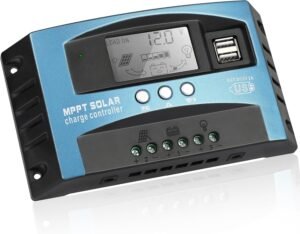
60A MPPT Solar Panel Battery Contro…
Product description Liquid Crystal Display It can display real-time status and data, and also enables mode…

100 Pcs Stainless Steel Solar Wire …
Product description Plentiful Quantity: you will receive a total of 100 stainless steel wire clips in…
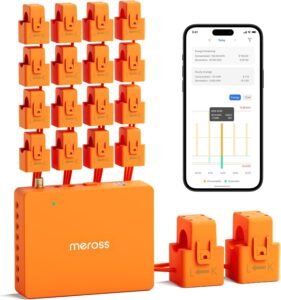
Meross Smart Home Energy Monitor, R…
From the brand Most Popular Smart Water Timer SAFE & RELIABLE: Meross smart energy consumption monitor…
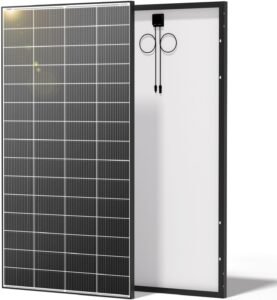
Renogy Solar Panels 2PCS 320 Watt S…
Product description 1 Why Renogy 320W 2 Real World Size 1 Excellent Loss Control 2 Made…
