
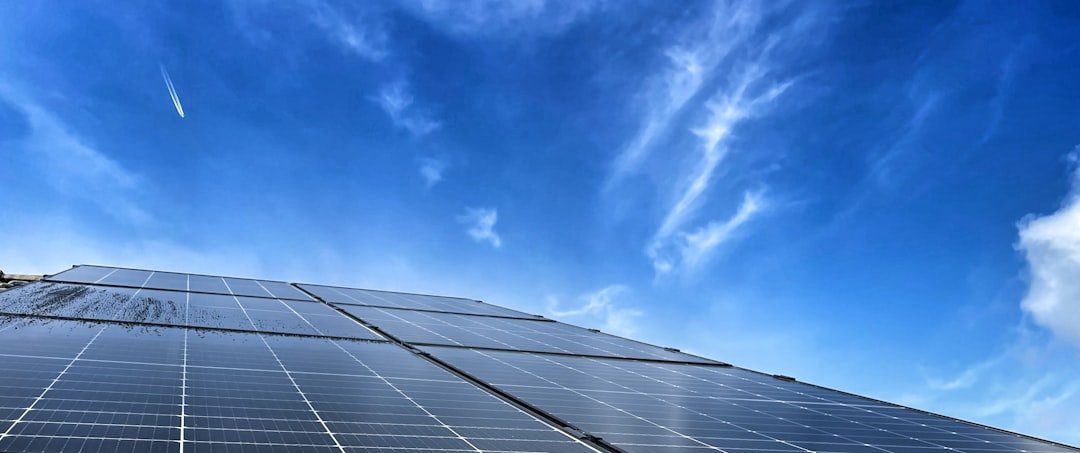
Weather has a direct, measurable effect on solar panel performance. Understanding how temperature, cloud cover, precipitation, wind and other conditions influence energy production helps you size systems correctly, set realistic expectations, and plan maintenance.
This guide explains the main weather factors that affect photovoltaic (PV) systems and offers practical steps—both design- and operation-focused—to keep your array producing reliably year-round.
How temperature influences panel efficiency
Solar cells produce electricity from sunlight, but they are sensitive to temperature. As cell temperature rises above standard test conditions (25°C), output voltage drops and module efficiency declines. Hot climates can reduce peak power by several percent compared with mild conditions.
Panel manufacturers and system designers mitigate heat losses by selecting appropriately rated solar panels, using ventilated mounting that promotes airflow beneath modules, and specifying inverter and battery equipment that tolerates higher operating temperatures.
Cloud cover and irradiance variability
Clouds reduce direct sunlight and alter the balance between direct and diffuse irradiance. Thick overcast lowers instantaneous output; broken clouds can create rapid swings (ramp events) as the sun passes through gaps. Systems sized using clear-sky assumptions can underperform in persistently cloudy regions.
Installing a home energy monitoring solution helps you track real-time generation, spot weather-related patterns, and distinguish weather losses from equipment issues so you can optimize operation.
Sun angle, seasons and geographic factors
Solar production follows seasonal sun-angle changes and daylength. Lower sun angles in winter reduce irradiance per panel and increase reflection losses. Latitude, local horizon obstructions, and seasonal shading from trees or buildings compound the effect.
Design choices—tilt angle, azimuth orientation and panel type—should be matched to local climate and load profiles. For sites with strong seasonal demand, consider oversizing or adding battery storage to shift summer excess to winter use.
Rain, snow and soiling
Precipitation has mixed effects. Rain can clean panels, improving performance after dusty periods. Heavy snowfall blocks sunlight until it melts or is cleared. Accumulated dirt, bird droppings and pollen (soiling) can meaningfully reduce output—often several percent to double-digit losses if untreated.
For long-term reliability, specify durable mounts and keep a supply of appropriate cleaning tools and solar installation accessories for safe snow removal and dust mitigation. In some climates tilt adjustments or anti-soiling coatings are cost-effective.
Wind, dust and structural concerns
Wind cools panels and can slightly boost efficiency by lowering cell temperatures. However, strong gusts impose mechanical loads on racking and frames; debris-driven abrasion increases soiling. Dust storms or ongoing desert exposure may require more frequent cleaning and sturdier mounting systems.
When designing for windy areas, choose appropriate racking and anchoring, and consider a maintenance plan that accounts for accelerated wear and soiling. If outages are likely during storms, a portable power station or similar backup keeps critical loads running while your system recovers.
Humidity, salt spray and air quality
High humidity and coastal salt spray accelerate corrosion of frames, fasteners and electrical connections; polluted air with high particulate content increases soiling. Such environments demand corrosion-resistant components, sealed junction boxes and regular inspection intervals.
Component selection—stainless clips, marine-grade fasteners, and weather-rated cable accessories—reduces long-term maintenance and failure risks.
How weather affects system components
Weather impacts more than modules. Inverters produce heat and may derate in high ambient temperatures; batteries lose capacity and cycle life if consistently exposed to extremes; charge controllers can be affected by humidity and temperature. Match equipment to expected site conditions and install protective enclosures when needed.
Consider components engineered for demanding climates, such as robust solar charge controllers, high-temperature-tolerant inverters, and appropriately rated solar batteries if you plan to store energy for cloudy days or outages.
Design and installation strategies to reduce weather risk
Good design anticipates local weather: oversize the array or storage for cloudy climates, orient and tilt to minimize seasonal losses, use storm-rated mounts in windy zones, and place inverters and batteries in conditioned or ventilated enclosures.
Include remote monitoring, modular components for easy replacement, and an emergency backup plan such as a backup power option to maintain essentials during prolonged low-generation periods.
Maintenance checklist
- Inspect modules and racking for damage after storms; tighten fasteners and check seals.
- Clean panels periodically based on soiling rates—more often in dusty/salty environments.
- Monitor inverter and battery temperatures; ensure ventilation is clear and fans function.
- Verify wiring, connectors and junction boxes for corrosion or moisture ingress.
- Calibrate and review output with your monitoring system to detect anomalies early.
- Keep spare parts and portable charging solutions handy—e.g., a solar generator or portable power unit for emergencies.
Checklist — quick pre-storm actions
- Secure loose equipment and remove portable items near arrays.
- Shut down or isolate inverter per manufacturer guidance if severe weather threatens.
- Ensure battery enclosures are sealed and ventilation is unobstructed.
FAQ
Q: Do panels work on cloudy days?
A: Yes—panels still produce energy from diffuse sunlight, though at reduced output compared with clear skies.
Q: Will heat damage my solar panels?
A: Heat reduces efficiency but panels are designed for high temperatures; long-term damage is usually from poor ventilation, extreme thermal cycling, or lax mounting, not normal hot-weather operation.
Q: How often should I clean panels?
A: Frequency depends on local soiling—every few months in temperate areas, more often in dusty, coastal, or agricultural regions. Use safe cleaning practices or pros for rooftop arrays.
Q: Should I add batteries for winter or cloudy seasons?
A: Batteries smooth generation fluctuations and provide backup during low-production periods. Evaluate based on your load, outage risk, and local insolation patterns.
Q: Can wind improve panel performance?
A: Wind can slightly boost efficiency by cooling panels, but structural and debris risks from high winds typically outweigh any thermal benefit.
Conclusion — practical takeaway
Weather shapes every aspect of solar performance. Start with accurate local climate data, choose equipment rated for site conditions, add monitoring, and implement a realistic maintenance schedule. These steps reduce unexpected losses and extend system life—keeping production predictable through heat, clouds, rain and snow.
