
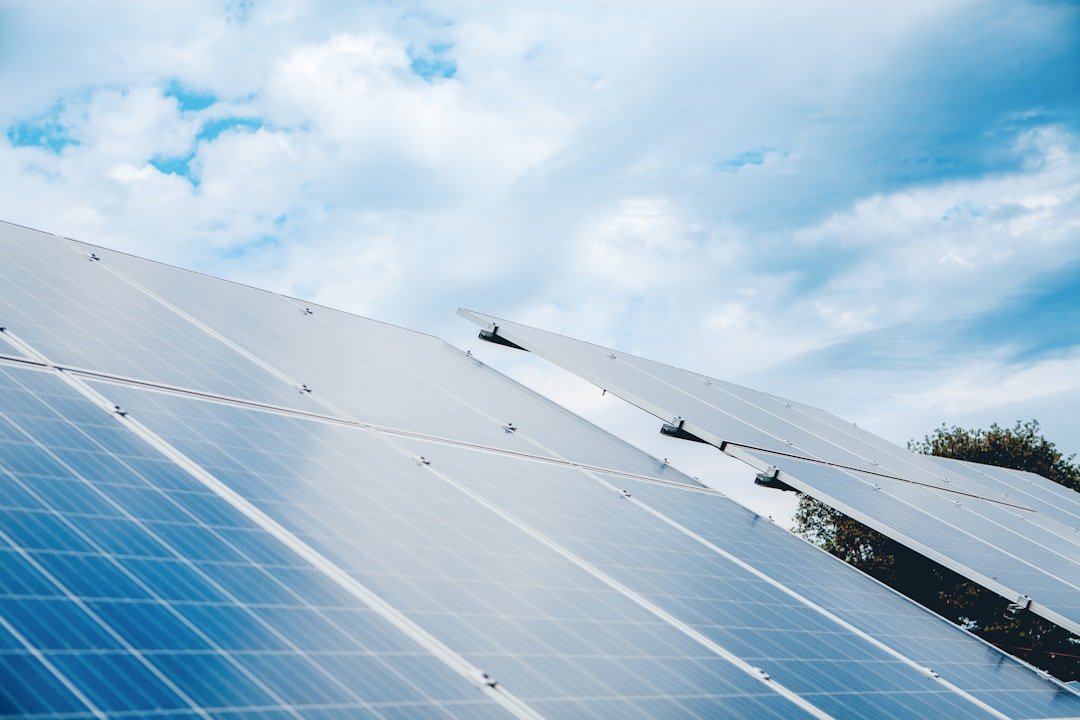
Do Solar Panels Work on Cloudy or Rainy Days?
Short answer: yes — solar panels still produce electricity on cloudy and rainy days, but output drops compared with bright sun. Understanding how much production you can expect and how to design a system that handles low-light periods will help you get reliable energy year-round.
This guide explains the science, the real-world impact of clouds and rain, and practical steps to optimize performance and keep power available when sunlight is limited.
How solar panels generate electricity
Solar panels convert sunlight into electricity using photovoltaic cells. Cells react to photons — light particles — not heat, so they continue to generate power even when the sun is behind clouds. Panel technology varies, though: some modules perform better in diffuse light than others. If you’re shopping for modules for a cloudy climate, compare rated low-light performance and temperature coefficients when choosing solar panels.
Cloudy days: how much output should you expect?
On an overcast day panels might produce 10–40% of their peak output depending on cloud thickness, the angle of the sun, and panel type. Thin, high clouds reduce output less than thick, low cloud cover. Diffuse light from a cloudy sky hits panels from many angles, so bifacial panels and those with anti-reflective coatings can sometimes capture a bit more than older designs.
Rainy days: decreased output — but also benefits
Heavy rain and thick storm clouds can reduce output further, sometimes to single-digit percentages of peak capacity. Still, rain brings a couple of practical benefits: it washes panels, removing dust and improving long-term performance, and it often follows or precedes clearer periods when panels regain output quickly. For homes or sites concerned about multi-day storms, consider pairing your PV array with a backup solution such as a solar generators or battery system to bridge gaps.
Key factors that determine output on cloudy or rainy days
Several system components and site factors affect how well a system performs in low light:
- Panel technology and age — modern monocrystalline or bifacial modules tend to do better in diffuse light.
- Orientation and tilt — optimizing tilt and avoiding shading maximizes capture of available diffuse light.
- Power electronics — quality inverters influence conversion efficiency at low input voltages.
- MPPT and charge control — effective tracking of the maximum power point helps harvest the most energy as irradiance changes.
Why inverters and power electronics matter
Inverters convert DC from panels into usable AC. Modern string inverters, microinverters, and optimizers handle low-voltage, fluctuating inputs better than older models. If clouds create rapidly changing irradiance, a system with fast-tracking electronics maintains higher average output. Consider inverter efficiency curves and start-up voltages when planning a system for frequently cloudy conditions.
Optimizing with MPPT and charge controllers
Maximum power point tracking (MPPT) charge controllers and sophisticated optimizer hardware extract more energy from panels in variable light. MPPT adjusts operating voltage to maximize power under the current irradiance and temperature. For off-grid or hybrid systems in cloudy climates, choose reliable solar charge controllers that support your panel array and battery chemistry.
Energy storage and system sizing for cloudy regions
Because production is lower and more variable on cloudy days, storage smooths supply. Adding appropriately sized batteries lets you store excess production from sunny periods to use during prolonged cloudy or rainy stretches. When planning, size your battery bank to cover your critical loads for the number of low-sun days typical for your area, and evaluate options from lead-acid to LiFePO4 in the solar batteries category.
Installation and maintenance tips to maximize low-light output
Small installation details matter more in diffuse light. Keep panels clean, avoid partial shading (even a small shaded corner can reduce string output), and confirm mounting angles for seasonal sun paths. Use quality mounts, flashing, and wire management from solar installation accessories to ensure long-term performance and safe operation.
Monitoring and smart energy management
Real-time monitoring helps you understand how cloud cover and storms affect production and lets you respond (shift loads, charge batteries, or start a generator) when output drops. Install a home energy monitoring system to track generation, consumption, and battery state-of-charge; intelligent systems provide alerts and historical data that improve system tuning over time. Check out products in the home energy monitoring category to compare features.
Backup strategies and hybrid systems
For reliable power during extended cloudy or rainy periods, combine generation with storage and a backup plan. Options include battery-based backup, grid-tied systems with export/import, or supplemental backup like a generator. For quick portability and emergency readiness, a dedicated backup power solution or hybrid system provides peace of mind while keeping your energy footprint lower than running fossil-fuel generators continuously.
Checklist: Practical steps if you live in a cloudy or rainy area
- Pick panels rated for good low-light performance and favorable temperature coefficients.
- Specify inverters and MPPT controllers optimized for variable irradiance.
- Size batteries to cover typical multi-day low-production periods.
- Avoid shading and schedule regular panel cleaning.
- Install monitoring so you can track production and act quickly.
- Plan a backup strategy (battery + generator or grid) for long outages.
FAQ
- Do solar panels produce on a heavy overcast day? Yes — typically 10–40% of peak, depending on cloud thickness and panel quality.
- Does rain damage solar panels? No — panels are weatherproof and designed for rain. Rain often cleans panels and improves efficiency afterward.
- Can batteries store enough energy for cloudy weeks? Yes, if sized properly. Design battery capacity based on your critical loads and local weather patterns.
- Will a generator be required in rainy seasons? Not necessarily. Many well-sized hybrid systems with batteries manage extended cloudy periods without a generator, but a generator provides extra resilience.
- Does panel orientation matter in cloudy climates? Yes — a tilt that balances seasonal sun capture and minimizes soiling helps maximize diffuse-light harvesting.
Conclusion
Solar panels do work on cloudy and rainy days, though production falls. The right combination of panel technology, efficient inverters and MPPT controllers, thoughtful installation, battery storage, and monitoring will keep your system useful and reliable through variable weather. If you expect frequent low-light periods, prioritize low-light-capable panels, smart power electronics, and adequate storage or backup power to maintain energy availability.
