
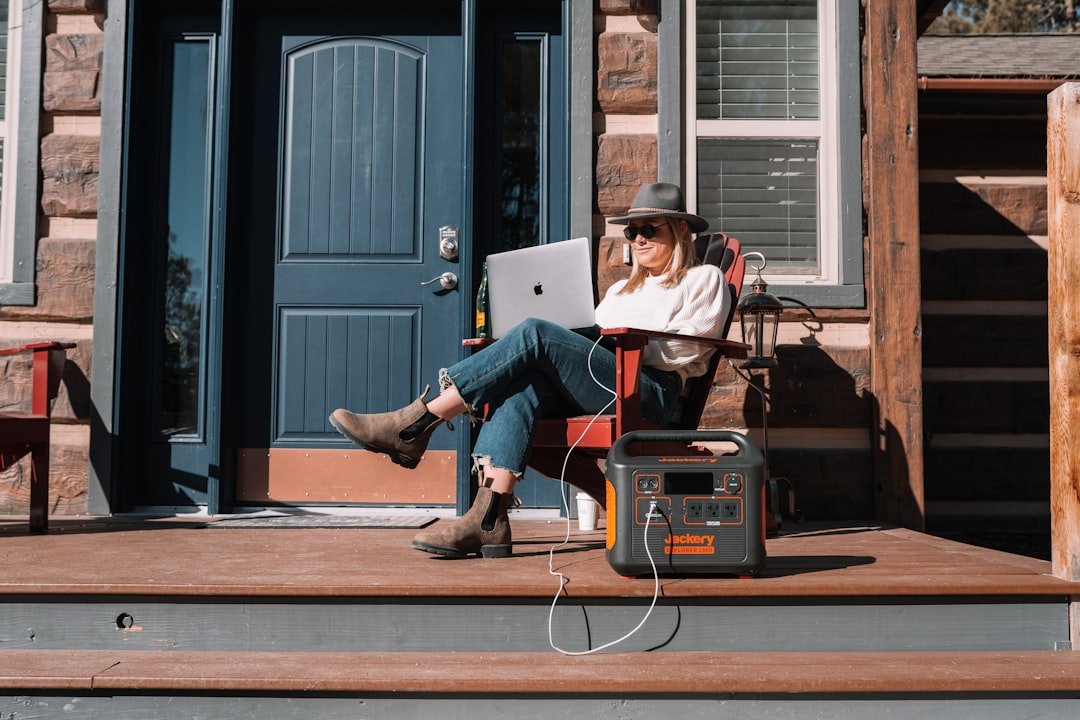
Portable Power Stations Explained: Uses, Charging and Capacity
Portable power stations are compact battery systems with multiple output types (AC, DC, USB) that let you run devices when grid power isn’t available. They bridge the gap between small battery banks and full generators—quiet, maintenance-free, and easy to use.
This guide explains practical uses, how charging works, how capacity is measured, what affects runtime, and how to choose and extend a system reliably for camping, work sites, and home backup.
What is a portable power station?
A portable power station combines a rechargeable battery pack, an inverter, charge controller circuitry, and a user interface into a single unit. You’ll find compact models for phone charging and larger models that can run refrigerators or power tools. If you want to browse options or compare form factors, see the Portable Power Stations category for common sizes and features.
Common uses and where they excel
Typical uses include:
- Emergency backup for essential circuits and devices (lights, router, medical equipment).
- Camping, van life, and remote work where AC power is needed without noise or fumes.
- Jobsite power for small tools and charging power tools or batteries.
- Supplementing home systems during outages to avoid running a gas generator.
For dedicated home backup components that integrate with portable stations and larger systems, check options in the Backup Power category.
How charging works: sources and speeds
Portable stations typically accept multiple charge inputs: AC wall charging, DC vehicle charging, and solar input. AC charging is straightforward—plug into a standard outlet and the internal charger replenishes the battery; look at the station’s AC input watt rating to estimate time.
Solar charging is common for off-grid or extended use. Many stations are compatible with portable Solar Chargers (folding panel packs) which connect directly to the station’s solar port. Charging speed depends on panel wattage and the station’s maximum solar input.
Solar input and panel selection
When using solar panels, match the panel’s voltage and connector type to the station’s solar input limits. Panels are rated in watts; higher-watt panels will deliver more energy when sun conditions are good. For permanent or large installations, consider integrating standard Solar Panels into your setup to recharge your station faster or to maintain charge over multiple days.
Battery capacity, chemistries and runtime
Capacity is expressed in watt-hours (Wh). To estimate runtime: divide the station’s usable Wh by the device’s power draw in watts. Example: a 500 Wh usable capacity powering a 50 W laptop yields roughly 10 hours (500 / 50 = 10), minus inverter losses.
Battery chemistry matters. Lithium-ion offers higher energy density and lighter weight; LiFePO4 (LFP) trades some energy density for much longer cycle life and greater thermal stability. For replacements or pairing components, review options in the Solar Batteries selection when you need standalone battery packs or cells for modular systems.
Inverters and power quality
The inverter converts stored DC to AC for household devices. Key specs are continuous output watts and surge (peak) watts. Motors and compressors require high start-up surge capacity. If you plan to run sensitive electronics or medical equipment, choose a unit with a pure sine wave inverter for clean power. For more on inverter options and performance characteristics, see the Inverters category.
Extending runtime: panels, controllers and expansion
To prolong runtime you can: add solar panels to recharge during daylight, connect a compatible external battery, or reduce loads. For solar setups, a charge controller (MPPT type) improves efficiency by matching panel output to the battery’s needs—especially when using multiple panels or higher-voltage arrays. If you plan an expanded solar-to-station setup, review Solar Charge Controllers that handle larger currents and MPPT tracking for faster, more reliable charging.
Choosing the right unit: size, features and an example
Match a station to your priorities: portability vs. capacity, AC power vs. DC-only, battery chemistry, and how you’ll recharge. Key steps: list devices with wattage, calculate total Wh per day, allow a buffer (20–30%), and factor in charging time you need.
For heavy home backup or multi-day off-grid use, larger units with 1,500–2,000 Wh are common. As an example of a higher-capacity option you can evaluate for extended backup, check the Anker SOLIX S2000 Portable Power Station (2010Wh), which illustrates specs to compare (Wh, continuous/peak watt rating, and battery chemistry).
Practical tips for safe use and longevity
- Avoid full discharges where possible—keeping a battery between 20–80% extends cycle life.
- Store in cool, dry conditions; heat shortens battery lifespan.
- Use proper cables and fuses for any external battery or solar connections.
- Don’t overload the inverter—match continuous watt ratings and respect peak surge limits.
- Check manufacturer specs for pass-through charging if you plan to use the station while recharging.
Checklist before you buy
- Inventory devices and their watt draw; calculate daily Wh needs.
- Decide how you’ll recharge: AC, car, or solar—and how fast you need it.
- Choose battery chemistry based on weight vs. cycle life (Li-ion vs. LiFePO4).
- Confirm inverter type (pure sine for sensitive electronics) and surge capacity.
- Plan for expansion: external batteries, panels, or controllers you may add later.
Conclusion
Portable power stations are versatile, quiet, and easy ways to keep essential devices running. Size them by watt-hours and inverter rating, pick charging options that match your use (solar, AC, car), and protect the battery with proper charging equipment. Start with a clear load list and charging plan to choose the right unit for your needs.
FAQ
-
How do I calculate how long a power station will run my device?
Divide the station’s usable Wh by the device’s watt draw. Adjust for inverter efficiency (typically 85–95%). Example: 1,000 Wh / 100 W = ~10 hours before losses.
-
Can I charge the station with solar panels?
Yes—many stations accept solar input. Use panels sized to the station’s max solar watt and compatible voltage. Portable solar panels and fixed arrays both work.
-
Is LiFePO4 better than lithium-ion?
LiFePO4 offers more cycles and greater thermal stability; lithium-ion gives lighter weight and higher energy density. Choose based on lifespan needs and weight constraints.
-
Can a portable station run a refrigerator?
Yes, if the station’s continuous and peak watt ratings meet the fridge’s running and start-up requirements and the Wh capacity covers desired runtime. Check surge (peak) rating for compressors.
-
Do I need an MPPT controller for solar charging?
MPPT controllers improve solar charging efficiency, especially with variable sunlight or higher-voltage panels. For larger or multi-panel systems, MPPT is recommended.
Products Featured in This Article

Anker SOLIX S2000 Portable Power St…
From the brand Anker Solix S2000 Anker SOLIX E10 32 Hours of Fridge Backup The Fastest…
