
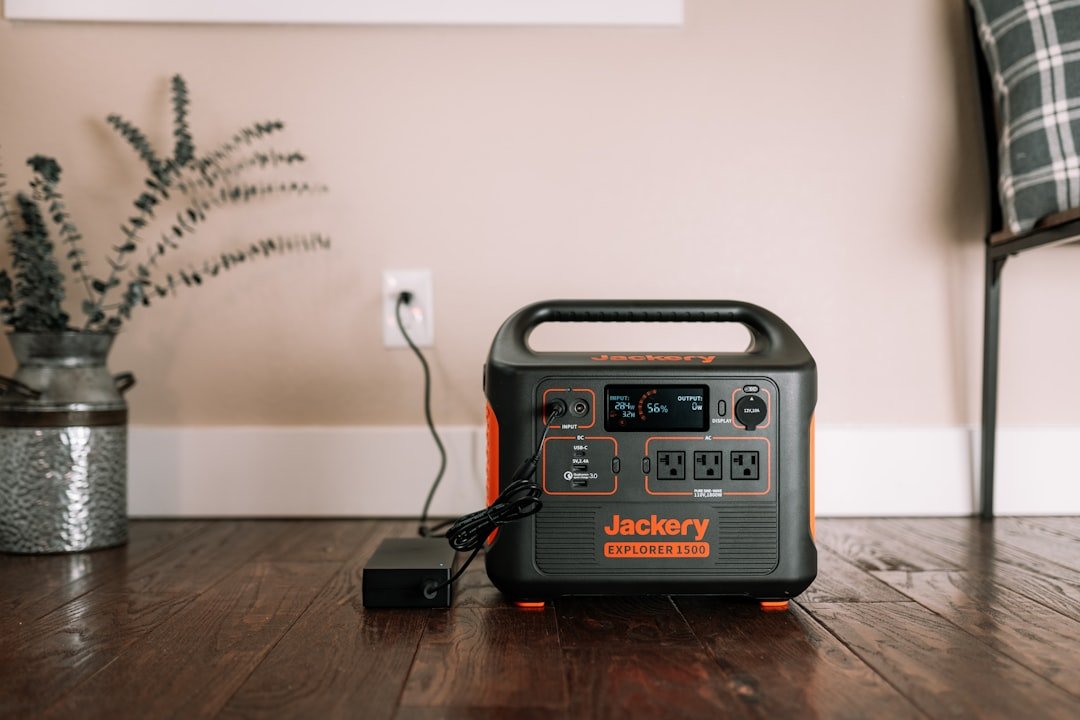
How to Choose a Portable Power Station for Emergency Backup
When the grid goes down, a portable power station can keep lights on, medical devices running, and communications alive. Choosing the right unit means matching real needs—what you want to power, for how long, and how you’ll recharge—rather than chasing specs that sound impressive in ads.
This guide walks you through the decision points, the trade-offs between capacity and portability, charging options, safety features, and how to integrate a station into a resilient emergency plan.
Start with the right category: purpose and scope
First decide the role your power station will play. Small units are ideal for phone charging and lights; mid-size models will run a fridge or CPAP for hours; large units can support a whole-house panel for critical circuits. Browse options specifically built for those goals under Portable Power Stations to see typical capacity ranges and use cases.
Calculate capacity: watt-hours and runtime
Capacity (Wh) tells you how much energy the battery stores. To estimate needs, list essential devices, note their wattage, and multiply by hours of expected use. For example, a 60 W laptop used 6 hours/day uses 360 Wh. Add refrigerator, lights, and any medical gear to reach a realistic daily Wh target.
Also compare continuous output (watts) and peak/surge ratings. A unit might have 1500 W continuous but a 3000 W surge to start motors. Choose continuous output that exceeds the highest simultaneous draw of devices you plan to run.
Match outputs and ports to your devices
Check for AC outlets, DC ports, USB-A, USB-C PD, and car-style ports. USB-C with power delivery often charges laptops and phones faster and more efficiently than older ports. For emergency use, prioritize at least one or two AC outlets with true sine wave inverters to safely power sensitive electronics.
Battery chemistry and lifecycle
Battery type determines weight, lifespan, and thermal behavior. Lithium iron phosphate (LiFePO4) lasts longer and is safer at high temperatures; lithium-ion (NMC) is lighter but has fewer cycles. If you plan to use the unit frequently or as a long-term backup, investing in a durable chemistry pays off. Consider also the option to expand capacity with external Solar Batteries or linked storage when available.
Charging options: AC, car, and solar
Emergency-ready systems should support multiple recharge paths. AC wall charging and vehicular charging are common, but solar recharging offers the greatest independence during prolonged outages. Use compatible panels sized to your battery and expected sunlight. Explore panel choices at the Solar Panels category.
For direct, portable recharging consider foldable or portable options in the Solar Chargers category—useful for camps or when quick top-ups matter.
Examples: portable, mid-range, and whole-home options
If you want a mid-range portable that balances capacity and mobility, check units like the BLAVOR Portable Power Station 1600W which pairs a LiFePO4 pack with multiple outputs and built-in solar support—good for long runtimes without excessive weight.
For a true whole-home or long-duration backup, high-capacity solutions are needed; consider large units such as the Anker SOLIX S2000 or similar solar generators, which are intended to support refrigerators, medical devices, and several circuits for many hours or as UPS replacements.
Durability, portability and practical features
Look for rugged housings, IP ratings or at least good weather resistance, and comfortable handles or wheels if the unit is heavy. Real-world details—like clear status displays, multiple reset protections, an easy-to-access power button, and replaceable fuses—matter during stressful outages. If you plan to chain panels or integrate the station into a system, compatibility with solar generators and inverters is important.
Integration with home systems and energy management
If you want to power critical circuits rather than just plug-and-play devices, plan how the station will interface with your home. Some setups use a transfer switch or critical loads panel to isolate and supply essential circuits during an outage. Larger systems might pair the station with an inverter or be part of a broader solar-plus-storage plan—see options under Solar Generators when you need integrated solutions.
Monitoring usage and battery status helps stretch runtime and prevent overload. Consider pairing the station with a monitoring solution such as Home Energy Monitoring tools to track consumption, find savings, and prioritize loads during an emergency.
Safety, certifications, and warranties
Choose units with over-current, over-temperature, short-circuit, and over-charge protections. Look for UL, CE, or other recognized certifications for electrical safety. A clear warranty and accessible customer support are essential—emergency gear should be reliable and serviceable when needed.
Maintenance and storage tips
Store your power station in a cool, dry place and top up the charge every 3–6 months to keep the battery healthy. Check manufacturer recommendations for long-term storage and firmware updates. If using solar panels, keep connections clean and inspect cables and connectors periodically.
Quick checklist before you buy
- Define required devices and calculate total Wh per day.
- Confirm continuous and surge watt output covers highest simultaneous load.
- Choose battery chemistry (LiFePO4 for longevity, NMC for lighter weight).
- Ensure multiple charging methods: AC, car, and solar compatibility.
- Verify ports (AC, DC, USB-C PD) and true sine wave inverter if needed.
- Check safety certifications, warranty length, and service policy.
- Consider expandability: compatible with additional Solar Batteries or modular setups.
Conclusion — practical takeaway
Choose a portable power station by balancing capacity, output types, charging flexibility, and durability against your real emergency needs. Prioritize devices and calculate Wh, pick a chemistry and output profile that covers your essentials, and add solar or monitoring where long outages are likely. A well-chosen station is insurance: small cost, big peace of mind.
FAQ
- How many Wh do I need to run a refrigerator?
A typical modern fridge uses 100–800 Wh per day depending on size and efficiency; check the appliance nameplate and estimate compressor cycles. For longer runtimes consider a unit with 1000+ Wh and sufficient surge capacity.
- Can I charge a power station with regular solar panels?
Yes—provided the station supports solar input voltage and current. Match panel output and use MPPT charge controllers when required. Browse compatible panels and solar charging options in the Solar Panels and Solar Chargers categories.
- Is a power station a replacement for a gas generator?
Not always. Power stations are quieter, cleaner, and require less maintenance but are limited by stored energy and recharge rate. For prolonged, heavy loads a gas generator or hybrid setup may still be necessary. Consider a solar generator if you want integrated solar recharging and larger capacity.
- How long does a LiFePO4 battery last in a power station?
LiFePO4 cells commonly last 2000–5000 cycles depending on depth of discharge and operating conditions—significantly longer than many NMC packs.
- Can I monitor energy usage remotely?
Yes, many modern systems support Bluetooth or Wi-Fi monitoring and pairing with home energy monitors. Consider adding Home Energy Monitoring for real-time tracking and smarter load management.
Products Featured in This Article
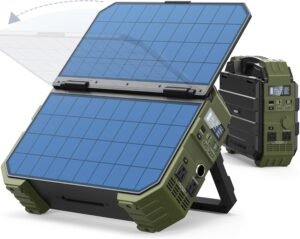
BLAVOR Portable Power Station 1600W…
From the brand DS-S1600 Power Station Bulit-in Solar Panel Home Backup Solution Camping Revolutionized All the…

Anker SOLIX S2000 Portable Power St…
From the brand Anker Solix S2000 Anker SOLIX E10 32 Hours of Fridge Backup The Fastest…
