
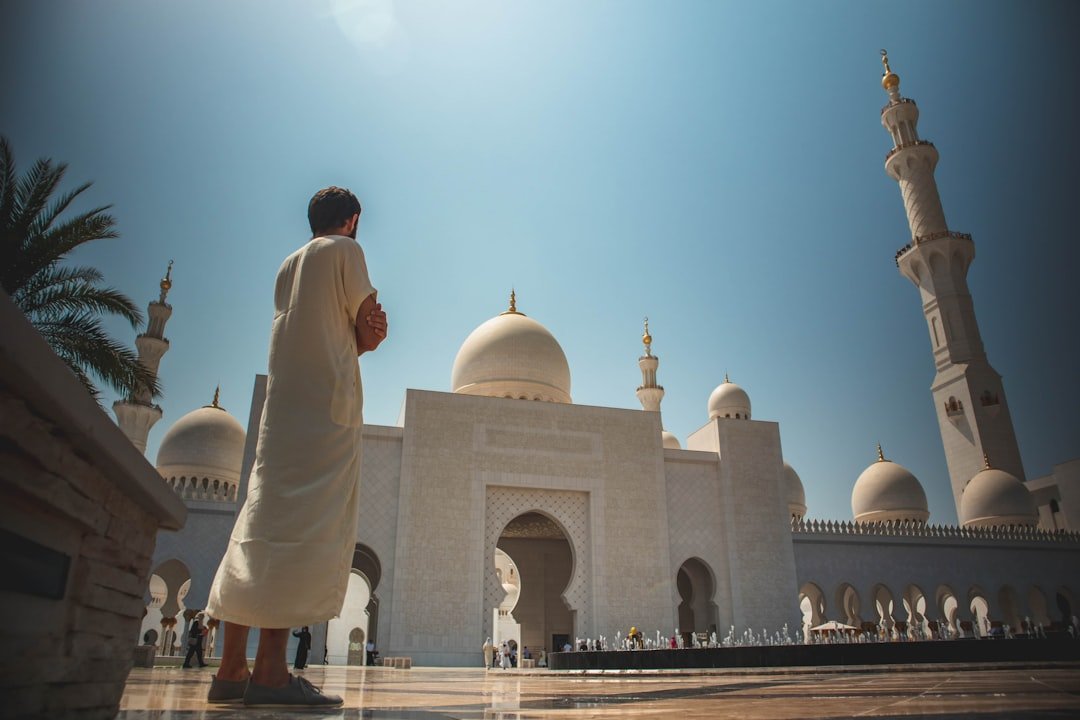
Complete Guide to Preparing for Your First Umrah
Preparing for your first Umrah is both a practical and spiritual journey. With the right planning, packing, and mindset you can focus on worship and avoid common stresses that affect many first-time pilgrims.
This guide from Smart World Publishing walks you through each step—what to arrange before you go, what to pack, how to manage your time in the holy cities, and simple tips to keep comfortable so your pilgrimage is meaningful and manageable.
1. Booking, timing and choosing an operator
Decide whether you’ll travel independently or with a verified group; both have pros and cons. Groups often handle visas, transfers and local guidance, while independent travel offers flexibility. Check reviews, ask about airport transfers, accommodation proximity to the Haram, inclusions, and cancellation policies. For curated products and resources related to Umrah travel packages and essentials see the site’s Hajj & Umrah category for vetted options.
2. Documents, visas and practical pre-travel tasks
Confirm passport validity (commonly at least six months), obtain the visa required by the Saudi authorities, and keep both physical and digital copies of passport, visa, vaccine records (if applicable), and travel insurance. Register emergency contacts with your embassy and save local emergency numbers. Arrange currency exchange before travel and load a small amount of Saudi riyals for transit expenses.
3. Physical preparation and realistic expectations
Umrah involves walking, standing, and navigating crowds. Build up your stamina with daily walks and practice walking on inclines if possible. Start by adding 20–40 minutes of brisk walking three to four times per week, gradually increasing distance. Pack a pair of comfortable, well-broken-in shoes and consider lightweight socks suited for warm climates. Plan to adjust your expectations: rest when needed, and focus on the spiritual quality of your rites over speed.
4. Learning the rituals and essential duas
Spend time learning the sequence of rituals—intention (niyyah), entering Ihram, Tawaf, Sa’i, and the appropriate prayers and supplications—to reduce anxiety on the day. Use reliable study aids to memorize short supplications and step-by-step guidance. Smart World Publishing offers a range of learning materials in the Books, Guides & Islamic Resources category to help you prepare mentally and spiritually.
Compact learning aids like Islamic Dua Cards – 75 Essential Supplications are especially useful during travel and when you need quick reminders of common duas.
5. Packing essentials: practical items to carry
A well-organized packing list will prevent last-minute scrambling. Focus on layers, comfortable footwear, a small first-aid kit, and compact personal items. Use a dedicated travel organizer or bag that separates documents, footwear, toiletries, and prayer items. Consider products from the site’s Travel Bags & Organizers category to keep essentials accessible.
Key items to pack: Ihram garments (if you plan to wear them during transit), breathable clothing, a light travel towel, a travel-size prayer mat, a small toiletry kit, a portable charger, and a daypack for walking in Medina and Mecca.
6. Ihram, clothing and cultural considerations
Understand Ihram rules before you begin: the state of Ihram includes specific clothing and behavioral restrictions. Select Ihram fabrics that are breathable and quick-drying. For women, choose modest, comfortable clothing suited for heat and prolonged walking. Review local customs and dress norms; being respectful of local culture creates a smoother, more respectful experience. For clothing and Ihram options check the Ihram & Clothing category for practical items designed for pilgrims.
7. Health, hydration and personal comfort
Stay hydrated and manage heat exposure. Bring a refillable water bottle and plan water break points; Saudi authorities also provide zamzam and bottled water points near the Haram. Pack items to reduce friction (e.g., balms, blister plasters) and lightweight sun protection like a hat and sunscreen. For products designed to improve comfort during travel and in the crowds see the Hydration & Personal Comfort category.
8. Prayer gear and items for on-the-go worship
Carry a compact travel prayer mat and a small Quran or digital app for spare moments of worship. A travel mat with a compass or pocket makes it easy to pray correctly while on the move—ideal for transit spaces or hotel rooms. Consider a single compact mat for personal use, or a multi-pack for group travel.
Examples of practical mats include this portable option for individual travelers: Travel Prayer Mat (green), and a multi-pack alternative for family or group pilgrims: 5 Pack Portable Travel Prayer Mat with Compass.
9. Arrival, local navigation and managing time in the Haram
Plan your arrival window to avoid peak crowd times where possible. Allow extra time for local transfers and security checks. Aim for early morning Tawaf or late evening when it’s quieter. Use hotel proximity to the Haram to your advantage: schedule short, focused worship sessions rather than long, exhausting ones. Keep a small prayer/dua list for each visit so you can be intentional even during brief moments of calm.
Quick checklist
- Valid passport + visa, plus digital copies
- Ihram garments and comfortable walking shoes
- Travel organizer for documents and currency
- Compact travel prayer mat and supplication cards
- Refillable water bottle, sunscreen, blister care
- Learning materials/apps for rituals and duas
- Phone charger/power bank and basic first-aid items
FAQ
- How far in advance should I prepare? Start studying the rituals and arranging travel at least 6–8 weeks in advance; earlier if you need visas, vaccinations, or group coordination.
- What is essential to carry in my day pack? Passport copy, small prayer mat, water bottle, sunscreen, blister plasters, phone, and a list of duas.
- Can I use a digital dua app instead of printed cards? Yes—digital apps are convenient, but printed dua cards are useful in low-battery situations and for quick reference; physical cards like the Islamic Dua Cards can be helpful.
- How do I avoid exhaustion during Tawaf and Sa’i? Pace yourself, rest when necessary, and go during less crowded times if possible. Stay hydrated and wear supportive footwear.
- Are there items not allowed in Ihram? Yes—avoid scented lotions, cutting hair and nails, and wearing stitched garments for men while in Ihram. Learn specific prohibitions from reliable guides before entering Ihram.
Conclusion
Prepare early, pack smart, and learn the rites that matter most to you. Practical preparations—right documents, comfortable clothing, hydration plans, and concise learning aids—let you focus on the spiritual core of Umrah. Start with the checklist above, use trusted guides, and prioritize rest and intention during your pilgrimage.
Products Featured in This Article

Islamic Dua Cards – 75 Essent…
Essential Daily Supplications: Includes 75 key duas from the Quran and Hadith, carefully selected for daily…

Travel Prayer Mat, 60cm*100cm Prayi…
✔ Small Pouch and Instructions ✔ Compass with Qibla finder : Easy to find Prayer Direction…

5 Pack Portable Travel Prayer Mat w…
Portable Travel Prayer Mat: you will receive 5 pcs portable muslim prayer rug in different 5…
