
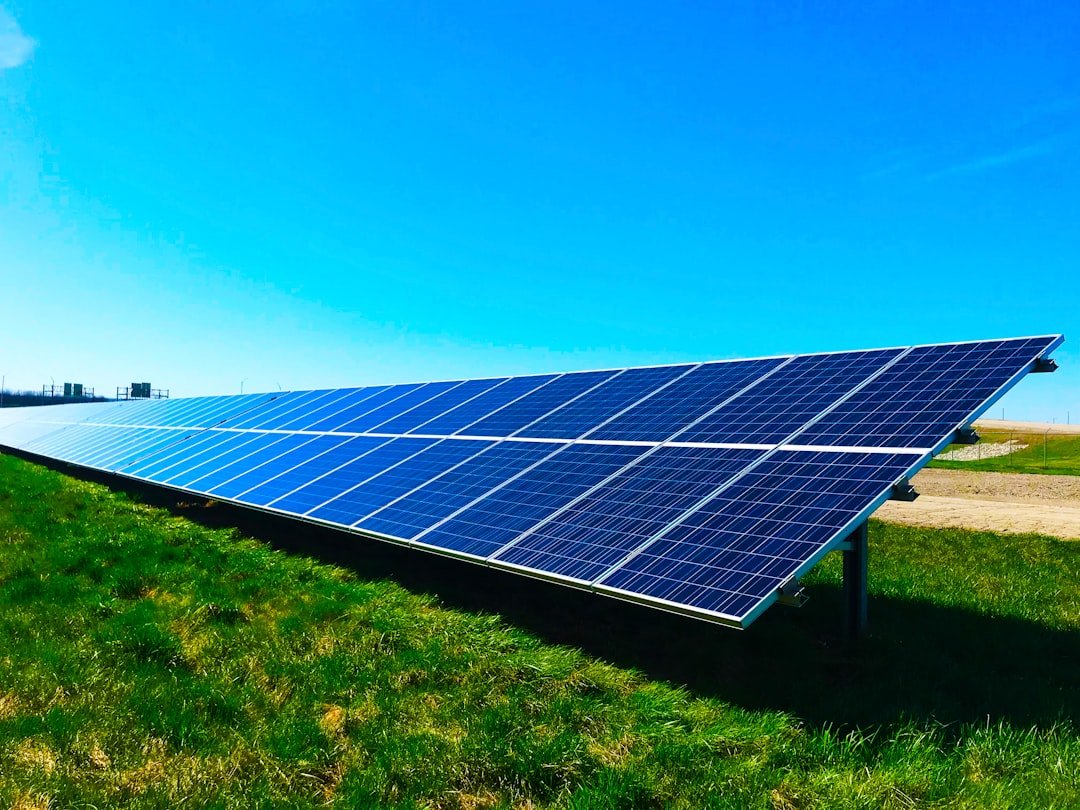
How Solar Energy Can Help During Power Outages
Power outages are inconvenient at best and dangerous at worst. Whether caused by storms, grid failures, or planned maintenance, losing electricity can disrupt heating and cooling, food preservation, communications, and medical equipment.
Solar energy — when paired with battery storage and the right system design — can keep critical loads running, reduce reliance on noisy fuel generators, and provide predictable, renewable backup power. This guide explains how solar helps during outages and what to consider when planning a resilient system.
How solar systems keep the lights on during an outage
When the grid goes down, a standalone or hybrid solar system can continue to provide electricity by drawing from rooftop or ground-mounted solar arrays and stored energy in batteries. A basic outage-ready setup isolates selected circuits from the grid (an automatic transfer switch or manual transfer) and supplies them from your on-site solar + battery system.
For small needs like phone charging or lighting, portable units will often suffice; for whole-house resilience, you’ll need a larger, integrated solution. For a range of product options and backup-focused equipment, see Backup Power.
Grid-tied, hybrid, and off-grid: which is right for outages?
Not all solar systems behave the same during outages. Standard grid-tied systems shut off during a blackout for safety reasons (anti-islanding). Hybrid systems and microinverters with battery integration are designed to continue operating and can supply designated circuits. Fully off-grid systems are built to run independently of the grid at all times.
If your priority is outage protection with minimal complexity, a hybrid or battery-backed grid-tied system is often the best compromise between cost and continuous power.
Key components you need
A reliable outage-ready solar setup centers on a few essential components:
- Solar array to generate energy during daylight — see options for solar panels.
- Battery storage to hold energy for night-time or cloudy periods — explore solar batteries.
- A charge controller to manage charging efficiently and protect the battery — learn about solar charge controllers.
- An inverter or hybrid inverter to convert DC to AC and manage islanding and load transfer — review inverters.
Combining these components correctly ensures safe, automatic switching and optimized battery life during repeated outages.
Portable options: solar generators and stations
For flexibility and immediate backup without a full home installation, portable units are attractive. Solar generators and portable power stations provide plug-and-play power for lights, pumps, and small appliances and can be charged via solar panels or AC when available.
They’re ideal for renters, temporary needs, or supplementing a larger system. Compare models and capacities in the Solar Generators and Portable Power Stations categories to find units that match your outage-supply goals.
Sizing a backup solar system for outages
Sizing requires balancing needs, budget, and how long you want to ride out an outage. Steps include:
- List essential loads (refrigerator, medical devices, lights, Wi‑Fi, sump pump) and their wattages.
- Estimate daily energy use for those loads (watt-hours per day).
- Decide desired autonomy (12 hours, 24 hours, multiple days) — longer autonomy needs more batteries and/or more panels.
- Factor in local solar production (peak sun hours) to size your panels and charging capacity.
For systems focused on resilience rather than full-home backup, prioritize critical loads and document the expected run-time for each. If you want products tailored for backup purposes, review the selection in Backup Power (note: this is a category that includes generators, batteries, and integrated kits).
Battery choices and management
Battery chemistry affects cost, lifespan, depth-of-discharge, and safety. Lithium iron phosphate (LiFePO4) batteries are becoming the standard for residential backup due to long cycle life and stable chemistry, while lead-acid batteries remain a lower-cost option with shorter life.
Match battery capacity to your outage goals and ensure your inverter and charge controller are compatible. Proper battery management — correct charging voltages, temperature management, and depth-of-discharge limits — extends useful life and reliability.
Pair batteries with a suitable inverter that supports seamless transfer and battery charging; you can find compatible inverters under Inverters.
Monitoring, automation, and energy prioritization
During an outage, knowing how much stored energy remains and which loads consume the most power is essential. Home energy monitoring systems provide real-time usage, historical trends, and alerts so you can prioritize loads and avoid deep battery depletion.
Consider integrating a monitoring solution to manage critical circuits and automate load-shedding when batteries drop below safe thresholds. Browse monitoring hardware and smart meters in the Home Energy Monitoring category to add visibility and control.
Practical tips for reliability and safety
Follow these practical practices to ensure your solar backup performs when you need it:
- Install systems to code with an automatic transfer switch or approved interconnection device.
- Label critical loads and circuits so essential appliances remain powered during islanding.
- Test the system regularly and run scheduled maintenance on batteries and inverters.
- Keep spare fuses and basic hand tools for field repairs; consider a small portable unit as a redundancy.
Checklist: Preparing your solar backup for outages
- Identify and list critical loads with wattage and expected daily hours.
- Decide desired outage autonomy (hours/days).
- Choose appropriate panels and charging capacity — ensure enough peak sun production (solar panels).
- Select battery chemistry and capacity that match autonomy needs (solar batteries).
- Pick compatible inverter and charge controller models (solar charge controllers, inverters).
- Add monitoring for live insight and set automated load priorities (Home Energy Monitoring).
- Consider a portable backup for redundancy (Solar Generators / Portable Power Stations).
- Plan installation with licensed electricians and local code compliance.
FAQ
Q: Can a standard rooftop solar system power my home during a blackout?
A: Standard grid-tied systems without batteries will shut down during an outage for safety. To power your home you need battery backup or a hybrid inverter that supports islanding and transfer.
Q: How long will batteries last during an outage?
A: Run-time depends on battery capacity, the loads you power, and state of charge. Estimate watt-hours needed and divide by battery usable watt-hours to approximate hours of autonomy.
Q: Are portable solar generators a good substitute for a full backup system?
A: Portable units are excellent for partial needs and flexibility but usually can’t support whole-house loads. They are a good complement or interim solution while you plan a larger system.
Q: Do I need permits for a backup solar system?
A: Yes — most jurisdictions require permits and inspections for battery and inverter installations. Work with a licensed installer to ensure code compliance and safe interconnection.
Q: How do I prioritize which circuits to back up?
A: Prioritize life-safety devices (medical equipment), food preservation (fridge/freezer), water/sump pumps, communication, and heating/cooling as needed. Start with the minimum essential list and expand from there.
Conclusion
Solar energy paired with batteries provides a clean, quiet, and increasingly cost-effective way to maintain power during outages. Focus on identifying critical loads, choosing the right mix of panels, batteries, and inverters, and adding monitoring for smart management. For many households, a hybrid approach — stationary battery backup plus a portable unit — offers the best combination of reliability and flexibility.
Start by listing essentials, check product categories that match your needs (panels, batteries, controllers, inverters, and backup devices), and consult a qualified installer to build a system sized for your outage goals.
