
How Solar Energy Works: A Beginner’s Guide
Solar energy is increasingly accessible and practical for homes, businesses, and portable use. This guide explains the basic science, the essential components, and the real-world steps to evaluate, size, and maintain a system so you can decide confidently whether solar makes sense for you.
We focus on clear, actionable information: what each part does, common system types, and the questions to ask installers or when shopping for equipment. Read on for a straightforward roadmap from sunlight to usable electricity.
How photovoltaic (PV) cells convert sunlight into electricity
At the heart of most solar systems are photovoltaic cells made from silicon. When sunlight hits a cell, photons knock electrons loose from atoms, creating an electrical current. Cells are grouped into panels, panels into arrays, and arrays feed electricity into wires, where it can power loads, charge batteries, or be exported to the grid.
Direct current (DC) is produced at the panels; most home and commercial devices use alternating current (AC). That difference is handled by equipment you’ll see in most systems.
Main components of a solar system
Understanding the core parts makes conversations with installers and comparisons between products easier. The typical components are:
- Solar modules (panels) — the surface that captures sunlight and makes DC electricity: solar panels.
- An inverter that converts DC to AC so household appliances and the grid can use the power: inverters.
- Mounting hardware and wiring that secure panels and connect them safely to the rest of the system.
Other components (covered in later sections) include batteries, charge controllers, and monitoring devices that add storage, regulation, and visibility into system performance.
Types of solar systems: grid-tied, off-grid, and hybrid
Choose the system type based on goals: reduce bills, have resilience during outages, or go fully off-grid.
- Grid-tied systems supply power to your home and push surplus to the grid. They’re typically the most cost-effective for reducing electricity bills.
- Off-grid systems rely on local storage and are designed for locations without reliable grid access. They often pair with batteries and generators.
- Hybrid systems blend both approaches—connected to the grid but with batteries or other storage for backup power during outages.
Portable and emergency units exist too; solar generators and portable power stations are popular for camping, RVs, or temporary backup where full installations aren’t practical.
Sizing a solar system: basic steps and what to measure
System size depends on your energy use, roof or site production potential, and whether you want full backup capability. A clear starting point is a real usage profile—monthly kWh or a recent electric bill.
For accurate, ongoing data consider installing a dedicated monitoring device; a home energy monitor helps identify peak uses, load timing, and realistic match sizes between panels, batteries, and inverters.
Rule-of-thumb steps:
- Calculate average daily kWh from bills or monitor data.
- Estimate solar production based on peak sun hours for your location.
- Account for system losses (inverter efficiency, wiring) — typically 10–15%.
- Decide on battery backup capacity if needed and size inverter accordingly.
Installation basics and common equipment
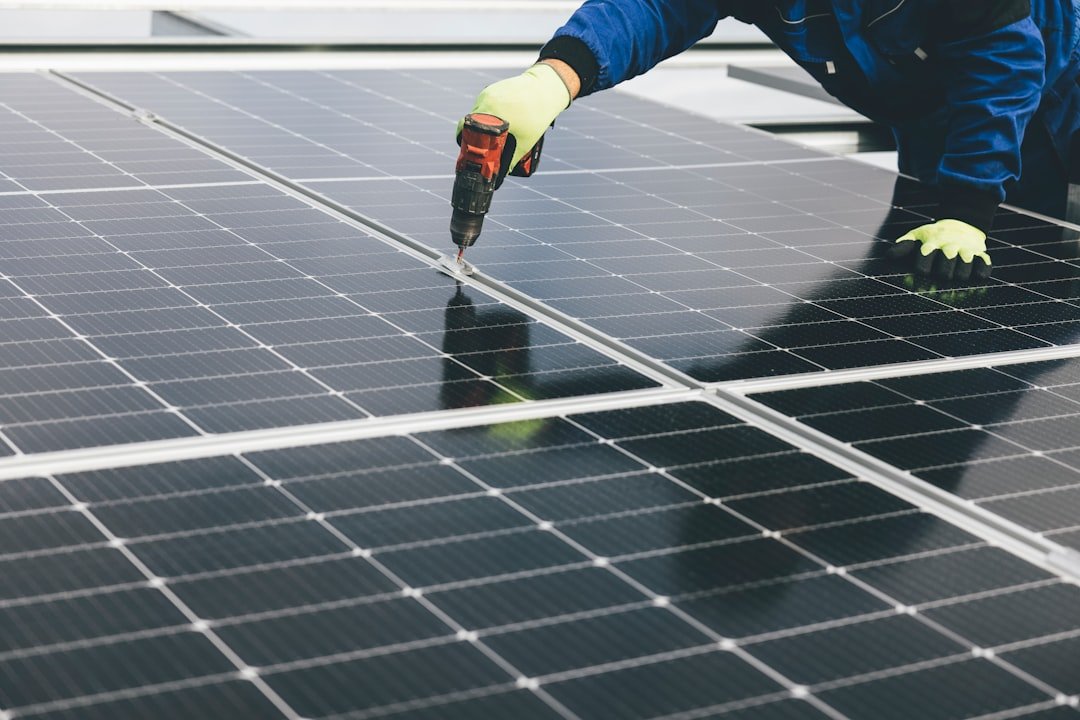
Installation includes site assessment, structural checks, electrical permitting, mounting, wiring, inverter placement, and commissioning. Roof tilt, orientation, shading, and local building codes influence layout and expected output.
Installers use a range of specific parts—rails, clamps, cable, breakers, and connectors. If you’re sourcing equipment or planning a DIY-friendly approach, look for reliable installation accessories such as mounting brackets, connectors, and weatherproof cable glands to ensure a safe, code-compliant install.
Storage and regulation: batteries and charge controllers
Adding storage means storing excess midday generation for use at night or during outages. Battery chemistry (lead-acid, lithium-iron-phosphate) determines lifespan, depth-of-discharge, warranty, and cost.
If your plan includes a battery bank, match it to your inverter and include charge management. Solar batteries provide runtime and resilience, while solar charge controllers regulate charging to prevent overcharge and extend battery life—especially important in off-grid and hybrid systems.
Maintenance, monitoring, and troubleshooting
Solar systems are generally low maintenance, but a few simple tasks keep them performing: keep panels clean of debris, inspect mounts and wiring annually, and watch inverter status lights. Monitoring systems will alert you to drops in production or faults so you can respond quickly.
Common troubleshooting steps: verify inverter status, check for shading changes, inspect DC/AC disconnects, and compare current output to historical performance. If production falls significantly, consult the installer or a qualified electrician rather than improvising repairs.
For mobile or emergency power needs, smaller solar chargers and portable stations simplify maintenance and offer flexible backup options without a full installation.
Costs, incentives, and payback
Upfront costs vary widely based on system size, equipment quality, and local labor rates. Incentives such as tax credits, rebates, and net metering can materially change payback timelines—often reducing simple payback to several years depending on local rules.
When comparing quotes, evaluate not just price but component warranties (panels, inverters, batteries), expected degradation rates, and installer reputation. A slightly higher-quality inverter or battery with a strong warranty often reduces lifetime costs and headaches.
Checklist: quick startup actions
- Gather 12 months of electric bills or install a monitoring device to establish baseline usage.
- Assess roof orientation, tilt, and shading at peak sun hours.
- Decide between grid-tied, hybrid, or off-grid based on outage needs and goals.
- Request multiple quotes and compare component specs and warranties.
- Verify local incentives and permitting requirements before signing a contract.
FAQ
Q: How long do solar panels last?
A: Most panels are warranted for 25 years and can continue producing beyond that with gradual efficiency decline (typically 0.5–1% per year).
Q: Can I use solar during a blackout?
A: Standard grid-tied systems shut down during blackouts for safety. To run loads during outages you need a battery-backed hybrid system or a separate solar generator configured for islanding.
Q: What maintenance do solar batteries need?
A: Modern lithium batteries require little routine maintenance beyond proper charging and temperature control. Periodic inspections and firmware updates (if applicable) are recommended.
Q: Do I need a charge controller if I have an inverter?
A: If charging batteries directly from panels you need a charge controller to manage battery charging. In hybrid systems the inverter may integrate charge control, but independent controllers are common in off-grid setups—search for appropriate solar charge controllers.
Q: Are portable solar panels worth it?
A: Portable panels and power stations are excellent for RVing, camping, and short-term backup. They’re less efficient than fixed installations but offer immediate, flexible use.
Conclusion — practical takeaway
Solar is a mature, practical option for reducing energy costs and adding resilience. Start with accurate usage data, choose a system type that matches your goals (bill savings vs. outage protection), and prioritize quality components and proper installation. If you’re exploring purchases, consider core parts like solar panels, inverters, and appropriate installation accessories to ensure a reliable system that performs for years.
Products Featured in This Article
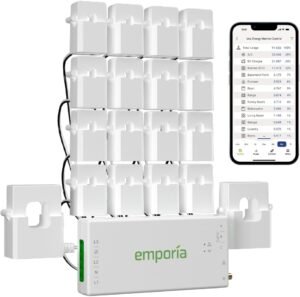
Emporia Vue 3 Home Energy Monitor &…
From the brand SAFETY YOU CAN TRUST WITH UL CERTIFICATION: With Emporia Energy, your home energy…
