
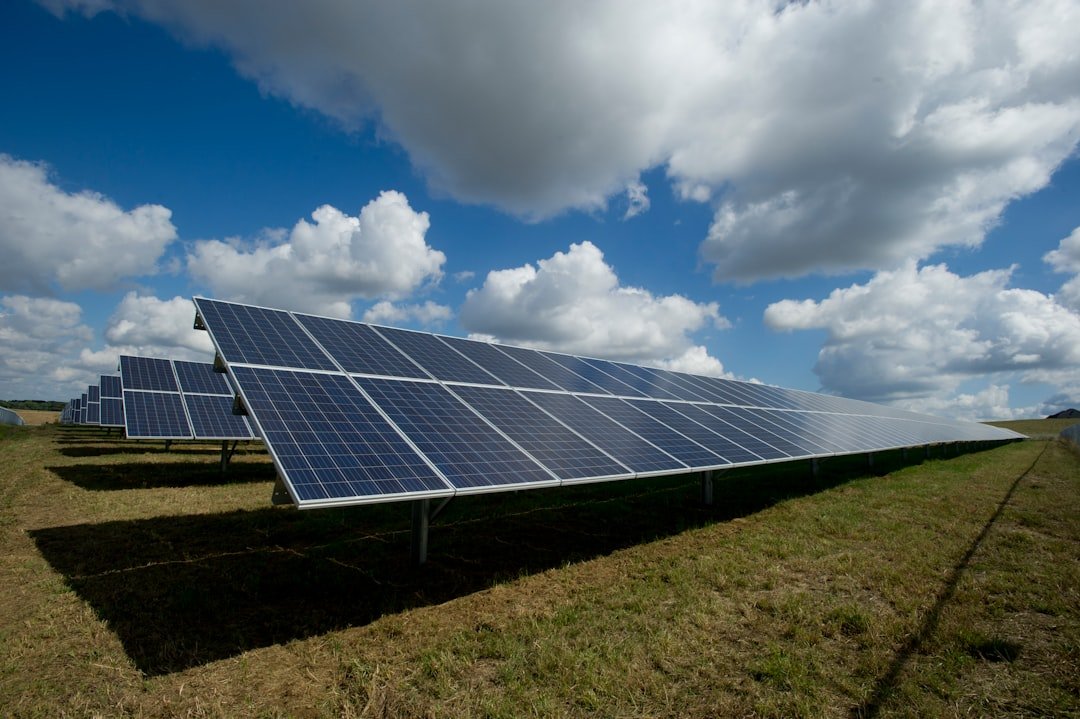
Installing solar panels is one of the most effective ways to lower energy bills and increase energy independence. But before you buy panels or batteries, you need a clear, practical calculation of how much solar energy your home actually needs.
This guide walks through the steps to calculate system size, battery needs, and component selection so you can get a right-sized system that meets your goals—whether it’s full grid offset, partial savings, or reliable backup power.
1. Understand your household energy use
Start with real consumption data. Pull the last 12 months of electric bills and note monthly kWh used. If you want a more granular view, install a home monitor to record usage by circuit and time of day. A dedicated Home Energy Monitoring device will show peak loads and seasonal trends, which are critical for accurate sizing.
2. Convert energy use into required solar production
Calculate annual or monthly kWh you want solar to cover. If your goal is to offset 100% of annual usage, use the yearly kWh. To size the PV array, divide desired daily kWh by the average daily peak sun hours for your location. For example, if you need 30 kWh/day and receive 5 peak sun hours/day, required array size = 30 ÷ 5 = 6 kW of rated panel capacity. When planning, use manufacturer specs for Solar Panels and factor in system losses (typically 10–20%).
3. Account for production factors: tilt, orientation, and shading
Rated array size assumes ideal conditions. Real-world output is reduced by roof orientation, tilt angle, shading, soiling, and inverter losses. Conduct a shading analysis and consider mounting hardware that optimizes tilt and airflow—roof and ground mounts often require Solar Installation Accessories like brackets, rails, and clips. Adjust your required kW upward if shading or a suboptimal roof orientation reduces expected output.
4. Battery storage: how much and what type?
If you plan to store energy for overnight use or outages, size batteries based on usable kWh required and desired days of autonomy. For example, to cover 15 kWh of evening use with one day of backup and a battery with 90% depth-of-discharge, you need ≈17 kWh of nominal capacity (15 ÷ 0.9). Choose chemistry and capacity from available Solar Batteries. Remember to account for battery round-trip efficiency (typically 85–95%) when estimating how much solar generation must charge the battery each day.
5. Inverters and charge controllers: match the components
Inverter selection depends on system size and whether you need export to grid or true off-grid capability. Pick an inverter rated for peak household loads and continuous output; consult product specs for surge capacity. Browse compatible Inverters. If using a battery bank or MPPT-equipped panels, select an appropriate Solar Charge Controllers to protect batteries and maximize panel output. Correctly matched controller and inverter maximize system efficiency and extend battery life.
6. Backup strategy: generators and portable solutions
Decide whether you want whole-home backup, critical-load backup, or just portable emergency power. For fast, plug-and-play backup, a Solar Generators can provide UPS-style support and integrate with panels. For mobility or temporary needs, consider Portable Power Stations. Use these options to avoid oversizing a permanent system solely for rare prolonged outages.
7. System layout, wiring, and safety margins
Lay out arrays to minimize string mismatch and voltage drop. Include safety margins—add 10–20% to capacity estimates to account for future load growth or efficiency degradation. Plan wiring runs and balance-of-system components so the inverter and charge controller operate within rated voltages and currents. Use quality installation parts and follow local electrical codes; consult installation accessories and mounting hardware appropriate for your roof type.
8. Maintenance, monitoring, and performance auditing
After installation, monitor production versus predicted output monthly. Regular checks—panel cleaning, connection inspections, battery health—keep the system close to expected performance. Use data from your home energy monitor and inverter logs to identify underperformance and optimize tilt or shade mitigation. Routine maintenance preserves output and payback timelines.
Checklist: Quick sizing and planning steps
- Collect 12 months of utility bills and calculate average daily kWh.
- Decide percent of usage to cover with solar (partial vs full offset).
- Lookup average peak sun hours for your location and compute array kW.
- Add 10–20% for system losses and unfavorable roof factors.
- Size battery capacity: desired kWh ÷ usable depth-of-discharge.
- Match inverter continuous and surge ratings to peak household load.
- Plan mounting, wiring, and safety margins; secure required permits.
- Choose monitoring tools to verify performance over time.
Conclusion
Calculating your home’s solar needs is a straightforward process when you use real consumption data, local sun values, and realistic loss factors. Start with accurate monitoring, size panels and batteries to your goals, and pick compatible inverters and controllers. A properly sized system saves money and provides reliable power—whether for bill reduction or backup.
FAQ
- How do I find peak sun hours for my location?
Use local solar maps or meteorological data for your region; many home energy monitors and installer tools include this information.
- Should I oversize panels to account for future load growth?
Yes—adding 10–20% capacity helps accommodate new loads like EV charging or electric heat without immediate upgrades.
- How many batteries do I need for a full-day backup?
Calculate required usable kWh for the day, then divide by the usable capacity per battery considering depth-of-discharge and round-trip losses.
- Can I start with a small system and expand later?
Yes—design the inverter and charge controller to allow expansion or choose modular battery and panel additions to scale the system.
- What’s the difference between a solar generator and a permanent system?
Solar generators are integrated portable units for short-term backup and portability; permanent systems are roof- or ground-mounted arrays tied to inverters and batteries for continuous offset.
- Do I need a professional installer?
Complex systems, grid interconnection, and permit processes typically require a certified installer. For small portable setups, DIY is possible with proper safety practices.
