
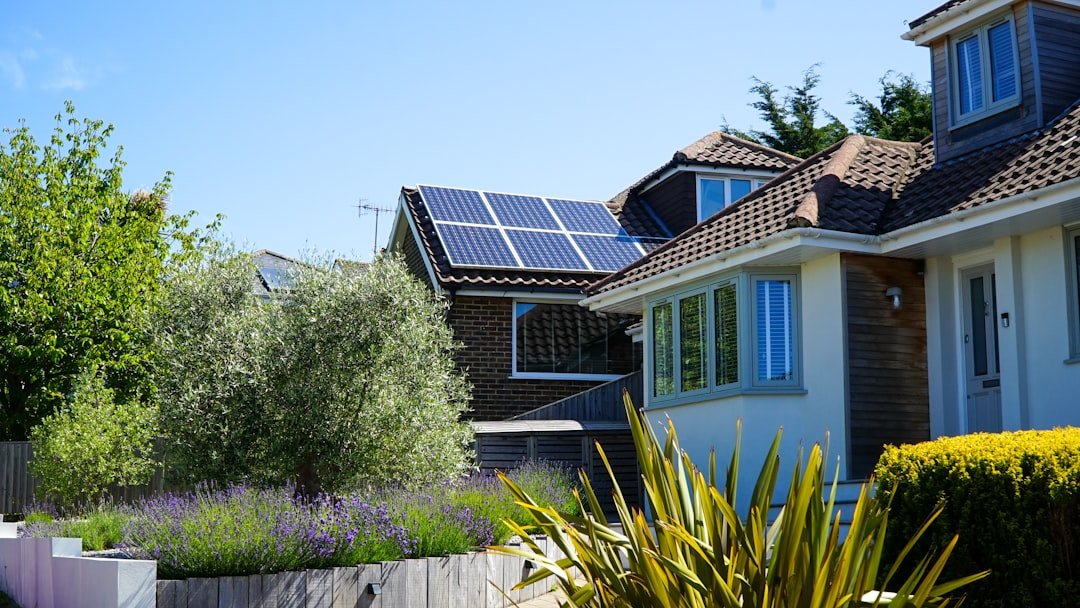
How to Know If Your Home Is Suitable for Solar Power
Installing solar at home is one of the most practical ways to reduce energy bills and increase resilience. But not every roof, budget, or location is a perfect fit. This guide walks you through the key factors to evaluate so you can decide whether solar makes sense for your property.
Read this before you contact installers: you’ll learn how orientation, shading, roof condition, local climate, and household energy needs affect system size and cost—and which components matter most for different situations.
How solar works—quick overview
Solar panels convert sunlight into DC electricity, which is then turned into usable AC power by an inverter. For systems that store energy or go off-grid, batteries and a charge controller manage charging and discharging. For grid-connected homes, the utility handles export and often credits you through net metering.
If you’re just starting to explore equipment options, look at available solar panels to understand size, efficiency, and form factors that suit rooftop or ground-mount installs.
Roof orientation, pitch and shading
Solar production depends heavily on how many direct sun-hours your site receives. South-facing roofs (in the Northern Hemisphere) typically perform best; east and west faces can work with more panels. Roof pitch matters less than unobstructed sun, but extreme flat or very steep roofs can reduce yield or complicate mounting.
Simple tests: map shading across the year (tree shadows, chimneys) and check if large portions of your roof see sun between 9am–3pm. If your roof is curved or nonstandard, flexible modules like the Renogy Flexible Solar Panel 100W can be an option for partial or specialty coverage.
Roof condition and mounting options
Age and structural condition are practical gating factors. If shingles are near the end of life or the roof needs repairs, address that first—panels last 25+ years and you don’t want to remove them for roof work later. A structural inspection confirms the roof can bear panel weight and mounting loads.
Mounting hardware and flashings vary by roof type (asphalt shingle, tile, metal). If you’re evaluating installers or self-install plans, consider the range of mounting hardware and accessories available; proper flashing and racking prevent leaks and ensure wind resistance.
Available space and system sizing
Estimate how many panels you can fit: a typical 300–400 W panel needs roughly 17–22 sq ft, so a 6 kW system usually requires 350–450 sq ft of usable roof area. If you have limited space, more efficient panels or ground-mounted arrays may be necessary.
System sizing also hinges on your household usage. Provide an installer with a year of utility bills, or use a power meter to measure loads. Keep in mind that the inverter size must match your expected output and household needs; modern inverters come in string and microinverter options and influence shading tolerance and monitoring capability.
Local climate and production estimates
Solar works in many climates, but annual production varies. Clear, sunny regions produce more kWh per kW of panels than cloudy or high-latitude locations. Use online insolation maps or installer software to get a location-specific production estimate.
Before installation, consider adding a home energy monitor to track real consumption patterns—this helps size systems, estimate savings and detect appliances that skew your load profile.
Storage and backup considerations
If you want backup power during outages or to maximize self-consumption, you’ll need batteries and a control strategy. Battery capacity determines how long critical loads can run; chemistry choices (LiFePO4 vs. lead-acid) affect lifespan and maintenance.
For battery options and capacity planning, review common solar batteries and pair them with the right charge controller and inverter. Proper sizing ensures batteries are neither oversized (costly) nor undersized (ineffective).
Backup generation and portable options
In locations with frequent outages or where grid connection is costly, pairing panels with a backup generator or integrated solar generator can be a practical compromise. Solar generators offer a turnkey backup solution with integrated inverter and storage, useful for partial-home backup or temporary power.
Consider solar generators if you prefer a plug-and-play unit for emergencies, or if you want to phase into a larger permanent battery-inverter system later.
Permits, grid connection, cost and incentives
Local permitting, HOA rules, and utility interconnection procedures vary. Many areas require building permits, structural plans, and an electrical inspection. Check your utility’s net metering policy early—credit rates for exported power greatly affect payback.
Budget for equipment, labor, permits, and potential roof upgrades. Factor incentives and tax credits to reduce net cost. If upfront cost is a concern, evaluate leasing, PPA, or financing. Also consider smaller-scale solutions—portable systems and backup categories can lower initial investment while delivering benefits; explore backup power options to understand staged approaches.
Maintenance and lifespan
Solar systems are low-maintenance: periodic roof access for cleaning, checking connections, and inverter servicing is usually enough. Panels degrade slowly (around 0.5–0.8% per year). Batteries and inverters have shorter lifespans and may require replacement within 5–15 years depending on type and use.
Contract a maintenance plan or learn basic inspections (look for debris, water pooling, loose wiring). Keep records of warranties and system performance for easier troubleshooting.
Small checklist: Is your home a good candidate?
- Roof has 350+ sq ft of mostly unshaded, south/east/west-facing area (adjust for hemisphere).
- Roof structure and age are sound, or you’re willing to repair/replace before install.
- Your utility offers reasonable net metering or time-of-use rates that favor self-consumption.
- Your household energy use matches the expected system output or you’re open to energy efficiency measures first.
- You can allocate budget for panels, inverter, installation—and optionally batteries or a solar generator for backup.
- You’ve checked local permits/HOA rules and obtained preliminary quotes from 2–3 installers.
FAQ
- How much roof sun do I need? Aim for several hours of direct sun around mid-day across most of the roof surface; shading for more than a few hours significantly reduces output.
- Can I install solar on a flat roof? Yes—panels can be mounted on angled racks; tilt increases production but may need ballast or penetrative mounts depending on wind load.
- Do I need batteries? Not for grid-tied installations—batteries are optional for backup or to increase self-consumption when export credits are low.
- How long before the system pays for itself? Payback depends on system cost, local electricity rates and incentives; typical payback ranges from 5–12 years but varies by location and incentives.
- Will my homeowner’s insurance cover panels? Many policies cover panels as part of the dwelling but confirm with your insurer; you may need to add coverage or notify them of the installation.
Conclusion
Deciding if your home is suitable for solar comes down to sunlight availability, roof condition, system sizing against your energy use, and local rules and incentives. Start with a basic roof and shade assessment, track your energy use for a month or two, and get multiple installer quotes. For flexible or staged approaches, consider plug-and-play options like solar generators or backup solutions and refine from there.
Products Featured in This Article
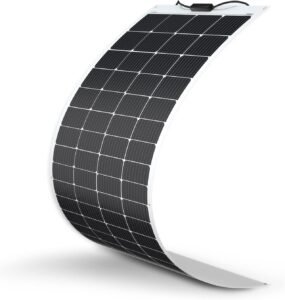
Renogy Flexible Solar Panel 100 Wat…
Product description Empowering Your Off-Grid Life with Excellent Output Performance With an average daily electricity output…
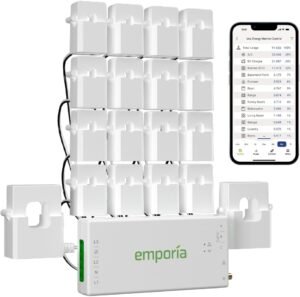
Emporia Vue 3 Home Energy Monitor &…
From the brand SAFETY YOU CAN TRUST WITH UL CERTIFICATION: With Emporia Energy, your home energy…
