
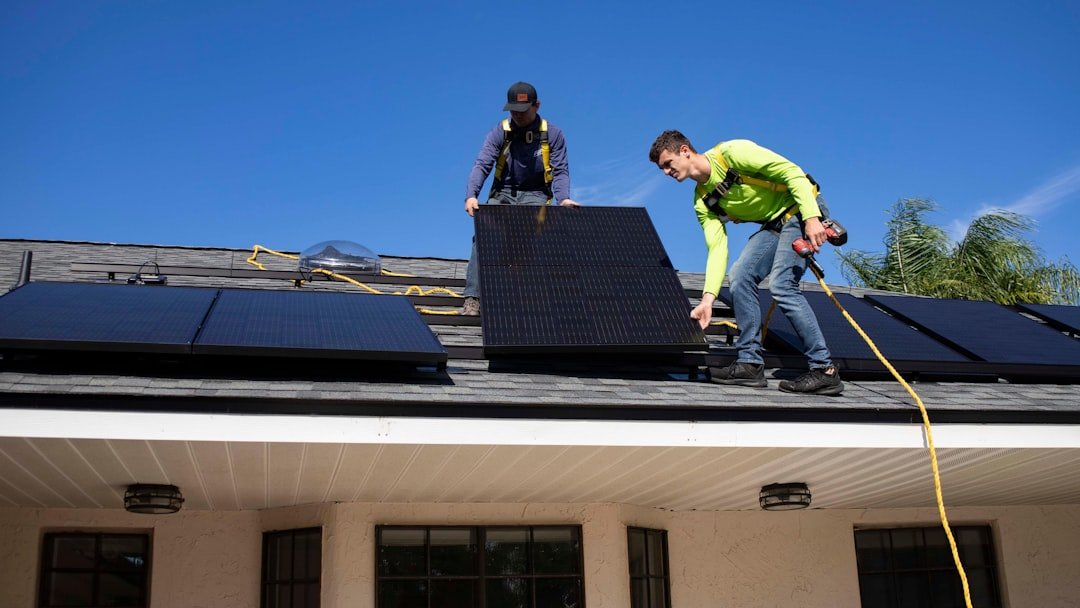
How to Maintain Solar Panels for Better Performance
Solar panels are a long-term investment that repay you through lower energy bills and reduced carbon emissions. To protect that return, routine maintenance is essential: small issues like dirt, loose wiring, or a failing inverter reduce output and shorten system life.
This guide gives practical, step-by-step maintenance actions you can do yourself and when to call a professional. If you’re still choosing equipment or planning upgrades, start by reviewing product options like Solar Panels to ensure your system is designed for easy access and long-term serviceability.
Why regular maintenance matters
Panels degrade slowly over time but abrupt drops in performance often come from avoidable issues: soiling, shading, poor electrical connections, or component failures. Regular maintenance keeps efficiency high, reduces the risk of costly emergency repairs, and helps you spot warranty-covered problems early.
Cleaning and debris removal
Dust, pollen, bird droppings and leaves are the most common causes of reduced output. How you clean depends on roof access and panel tilt:
- For small, accessible arrays: rinse with low-pressure water and a soft, non-abrasive brush or long-handled squeegee during cool morning hours.
- For ground-mounted systems: use a hose and soft brush; avoid power washers that can damage seals.
- For hard-to-reach or steep roofs: hire a professional to avoid safety risks.
Use the correct mounting and cable management hardware to prevent accumulation points; you can find helpful mounting aids and fasteners under Solar Installation Accessories.
Inspect mounts, frames and wiring
Visual inspections every 3–6 months catch loose bolts, corrosion, cracked frames, and exposed or chafing wires. Check the integrity of flashings and roof penetrations to prevent water damage.
For wiring, look for discoloration, brittle insulation or loose MC4 connectors. Secure loose cables with appropriate clips and management hardware—many installers recommend stainless clips designed specifically for PV wiring, such as 100 Pcs Stainless Steel Solar Wire Clips, to prevent vibration wear and UV damage.
Maintain charge controllers and MPPT units
The charge controller is the brain that optimizes panel output to charge batteries efficiently. Inspect for loose terminals, dusty heat sinks, and firmware updates when applicable. If you have an older PWM controller, consider upgrading to MPPT for better performance in variable light.
If replacement or expansion is needed, browse compatible controllers and options under Solar Charge Controllers to match your panel array and battery bank specifications.
Check inverters and AC components
Inverters convert DC from panels to usable AC. They generate heat and are vulnerable to dust, moisture, and loose AC connections. Monthly or quarterly checks should include:
- Confirming inverter status LEDs and error codes—address warnings promptly.
- Cleaning vents and dust from heat sinks; ensure adequate airflow.
- Tightening AC and DC terminals per manufacturer torque specs (power should be isolated before doing this).
If you need replacement options or larger systems, review Inverters to find models with monitoring features, integrated MPPTs, or higher surge capacity.
Battery care and thermal management
If your system uses storage, battery health is one of the most important maintenance drivers. For lead-acid batteries, check fluid levels and terminal corrosion. For lithium chemistries, monitor state of charge and temperature limits:
- Keep batteries in a ventilated, temperature-controlled enclosure away from direct sun.
- Clean terminals and apply anti-corrosion spray for lead-acid systems.
- Follow manufacturer cycling and storage recommendations to avoid deep discharge and high state-of-charge stress.
For battery replacements or upgrades, see compatible options under Solar Batteries.
Performance monitoring and data checks
Continuous monitoring lets you spot drops in production quickly. Check daily and review weekly trends for dips that indicate soiling, shading, or component problems. On-site loggers and cloud systems can alert you to faults and export data for technician analysis.
Good home-level monitoring devices, like the Meross Smart Home Energy Monitor, provide real-time power tracking and can integrate with battery and inverter data streams to give a full-system view.
Backup systems and emergency readiness
Maintain any backup hardware—generators, portable power stations, or dedicated solar generators—by exercising them monthly, keeping fuel or charged batteries ready, and testing automatic transfer switches. A functional backup reduces stress on your primary system and ensures safety during outages.
For portable and home backup options that complement your PV array, consider models listed in Portable Power Stations for reliable emergency power and field testing before severe weather events.
Seasonal and professional inspections
Seasonal tasks: remove snow where safe, trim trees before leaf-out to prevent summer shading, and inspect after storms for impact damage. Schedule a professional system check every 1–3 years to test electrical integrity, PV module performance (I-V curve tests if needed), and to verify warranty conditions.
Professionals can also update system software, recalibrate sensors, and handle high-voltage work that isn’t safe for DIYers.
Maintenance checklist
- Monthly: Visual panel and inverter check, remove loose debris.
- Quarterly: Clean panels as needed, tighten mounting & wiring clips, check monitoring logs.
- Semi-annually: Inspect roof penetrations, vents, and inverter air paths; test backup systems.
- Annually: Professional electrical inspection and performance test.
- After storms: Immediate visual check for physical damage and wiring issues.
FAQ
- How often should I clean my panels? Generally every 6–12 months, more often in dusty or pollen-heavy areas; check monthly performance trends to decide.
- Can I safely clean panels on my roof? Only if you’re comfortable with roof work and have fall protection; otherwise hire a pro.
- What if my inverter shows an error? Record the code, check the manual for troubleshooting steps, and contact a certified technician if the issue persists.
- Are micro-cracks in panels a concern? Small micro-cracks can grow and reduce output; monitor performance and consult installer for warranty evaluation.
- When should I replace batteries? Replace when capacity drops significantly or the manufacturer’s cycle life is reached; routine monitoring helps predict end of life.
- Is it worth adding a monitoring system? Yes—monitoring reduces diagnostic time, helps keep panels clean only when needed, and protects warranty claims.
Conclusion
Consistent, simple maintenance keeps your solar system producing reliably and reduces long-term costs. Follow a schedule of cleaning, visual inspections, electrical checks, and data monitoring. Use the right accessories and replace aging components proactively—this small, regular effort preserves output and extends system life.
Practical takeaway: adopt a quarterly self-check routine and pair it with an annual professional inspection; use targeted upgrades—better charge controllers, inverters, monitoring, or batteries—when data shows diminishing returns.
Products Featured in This Article

100 Pcs Stainless Steel Solar Wire …
Product description Plentiful Quantity: you will receive a total of 100 stainless steel wire clips in…
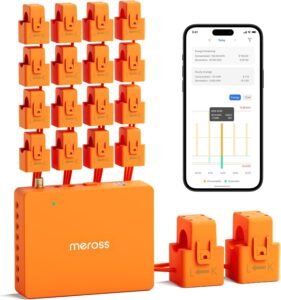
Meross Smart Home Energy Monitor, R…
From the brand Most Popular Smart Water Timer SAFE & RELIABLE: Meross smart energy consumption monitor…
