
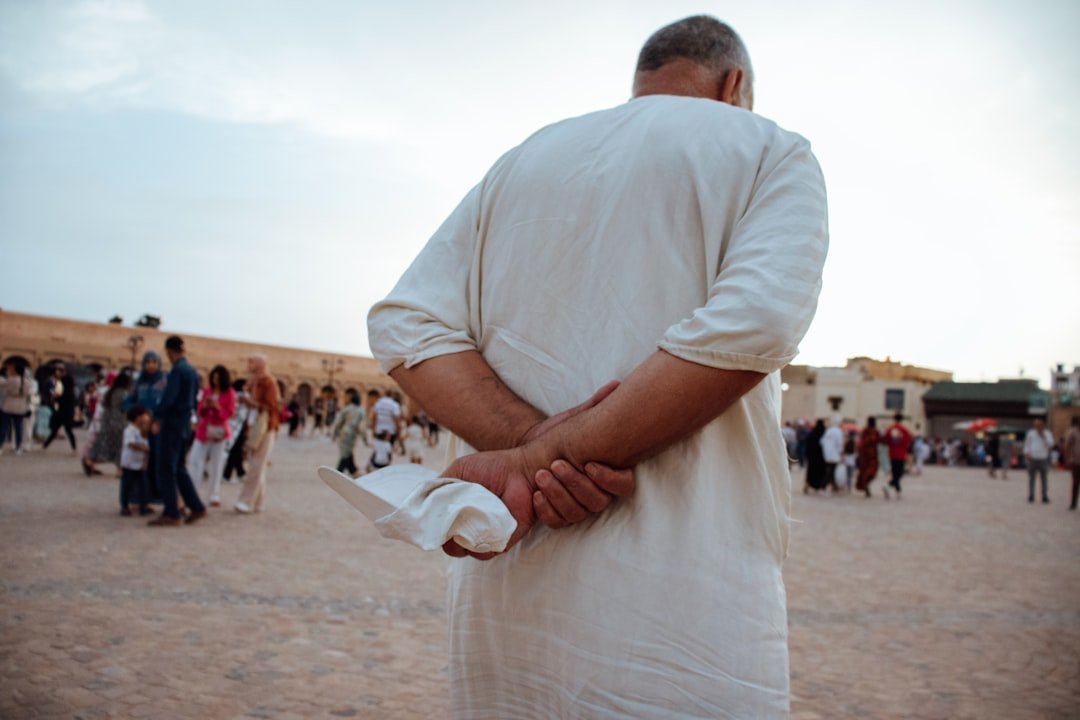
Preparing for the long walking days of Hajj is as much about practical preparation as it is about spiritual readiness. The physical demands—from long distances, heat, and standing in crowds—require planning, the right gear, and sensible pacing.
This guide gives clear, trustworthy steps to build endurance, protect your feet, manage hydration and rest, and pack efficiently so you can focus on your worship. For gear and category-specific items, consider browsing the Hajj & Umrah offerings tailored to pilgrims.
1. Plan your daily route and realistic schedule
Before you go, study the Hajj steps and typical walking routes each day. Know the distance between key points (e.g., Mina, Arafat, Muzdalifah, Tawaf areas) and build a realistic schedule that includes buffer time for crowds and rest breaks.
Set small goals for each segment of the day (for example: arrive at the bus or tent area 30 minutes earlier to avoid last-minute rush) and coordinate with your group leader to minimize unnecessary walking.
2. Build walking endurance before departure
Start a progressive walking program at least 6–8 weeks before travel. Aim for 4–6 sessions per week mixing steady 45–60 minute walks with one longer walk (2–3 hours) on the weekend. Gradually increase distance and include varied terrain and heat exposure if possible.
If you prefer structured guidance on rituals, logistics, and practical tips while training, check the books, guides & Islamic resources that detail Hajj steps, packing lists, and daily schedules.
3. Choose and break in the right footwear
Your footwear is the single most important item for long walking days. Choose lightweight, breathable, closed-toe shoes with good arch support and a shock-absorbing sole. If sandals are preferred for ihram, pick high-quality walking sandals with firm sole and heel support.
Break shoes in during your training walks. Wear the socks you plan to use on Hajj to avoid surprises. Consider carrying a spare lightweight pair to change into for evening rest.
4. Pack smart: minimize weight, maximize utility
Every extra gram matters when you’re walking for hours. Use a compact daypack with padded straps and multiple compartments. Pack essentials in easy-to-reach pockets to avoid removing your bag frequently.
Organizers and purpose-built solutions make life easier—explore the travel bags & organizers available for pilgrims. Choose a water-resistant, ventilated daypack with a hip belt to transfer load off your shoulders.
5. Hydration and heat management
Staying hydrated is critical. Sip regularly rather than waiting to feel thirsty. Aim for electrolyte-containing fluids during the hottest parts of the day, and carry a reusable, insulated water bottle that keeps liquids cool for longer.
For practical hydration solutions and personal cooling items, browse the hydration & personal comfort category. Pack lightweight cooling towels, a small spray bottle, and electrolyte tablets to maintain fluid balance.
6. Foot care, blisters and quick repairs
Carry a small foot-care kit: blister patches, moleskin, antiseptic wipes, a mini bandage roll, and a small tube of antibiotic ointment. Inspect your feet daily—clip toenails short before travel and keep them dry.
When you sense a hotspot, stop and apply blister protection immediately; early action prevents hours of pain. Consider compression socks for long periods of standing to reduce swelling, but test them in training walks first.
7. Prayer, rest breaks and staying oriented
Integrate prayer times with rest. Plan short rest stops before and after each prayer to stretch, rehydrate, and check on companions. Use shaded rest points to recover energy and cool down.
Compact prayer gear can save time and space—look into prayer & worship essentials to find prayer-friendly accessories designed for travel. A lightweight travel prayer mat is especially helpful when you need a clean surface—consider a travel prayer mat that folds into a compact size for your daypack.
8. Group logistics, communication and small extras
If you travel in a group, coordinate clear meeting points and contingency plans. Carry printed copies of tent numbers, emergency numbers, and your group leader’s contact details. Radios or a simple messaging plan can avoid separation in dense crowds.
For groups or family units, a multi-pack of compact prayer mats can be handy at crowded rest spots—consider a 5-pack portable travel prayer mat if you’re organizing shared items. Also pack a spare simple travel prayer mat in a different color, such as the black variant, so your group can quickly identify personal gear: travel prayer mat (black).
9. Rest, sleep hygiene and gentle recovery
Quality sleep shortens recovery time between long walking days. Prioritize a consistent bedtime, use earplugs and an eye mask if needed, and keep tents ventilated to avoid heat buildup. Gentle stretching, elevation of legs, and a light foot massage before sleep promote circulation and reduce stiffness.
- Comfortable, broken-in footwear (plus spare pair)
- Compact daypack with hip belt and organizers
- Hydration system (insulated bottle, electrolyte tablets)
- Foot-care kit: blister patches, moleskin, antiseptic
- Lightweight travel prayer mat and small prayer essentials
- Copies of group/tent info and emergency contact list
- Cooling towel, sun protection, and a small first-aid kit
FAQ
- How far will I typically walk on a Hajj day? Distances vary by ritual and tent location; expect several kilometers each day, with some days involving long transfers between sites. Plan conservatively and build endurance beforehand.
- What footwear is best during Ihram? Lightweight, comfortable sandals with firm soles and good heel support are common; ensure they’re broken in and offer protection against hot or rough ground.
- How often should I drink during walking? Sip every 15–30 minutes in hot conditions; aim to replace fluids and electrolytes lost through sweat. Small, frequent intakes are better than large amounts at once.
- What do I do if I get separated from my group? Stay in a shaded spot near landmarks and use your printed tent and emergency contact details. Agree on a default meeting point/time in advance.
- How can I reduce blister risk? Keep feet dry, wear moisture-wicking socks, and apply blister patches at first sign of friction. Attend to hotspots immediately to prevent worsening.
- Is it okay to rest during rituals if I’m exhausted? Brief rests during long standing periods are acceptable if needed for health; plan with your group and leader for care if exhaustion becomes severe.
Practical preparation—progressive walking, the right gear, thoughtful packing, and sensible hydration—keeps your focus on worship rather than discomfort. Start training early, pack smart, and use compact travel gear and prayer essentials so you can move with confidence and conserve energy for the spiritual journey ahead.
Products Featured in This Article

Travel Prayer Mat, 60cm*100cm Prayi…
✔ Small Pouch and Instructions ✔ Compass with Qibla finder : Easy to find Prayer Direction…

Travel Prayer Mat, 60cm*100cm Prayi…
✔ 4 Stabilization Corners with Iron: to Avoid wind Blowing ✔ Water Proof Nylon Material: to…

5 Pack Portable Travel Prayer Mat w…
Portable Travel Prayer Mat: you will receive 5 pcs portable muslim prayer rug in different 5…
