
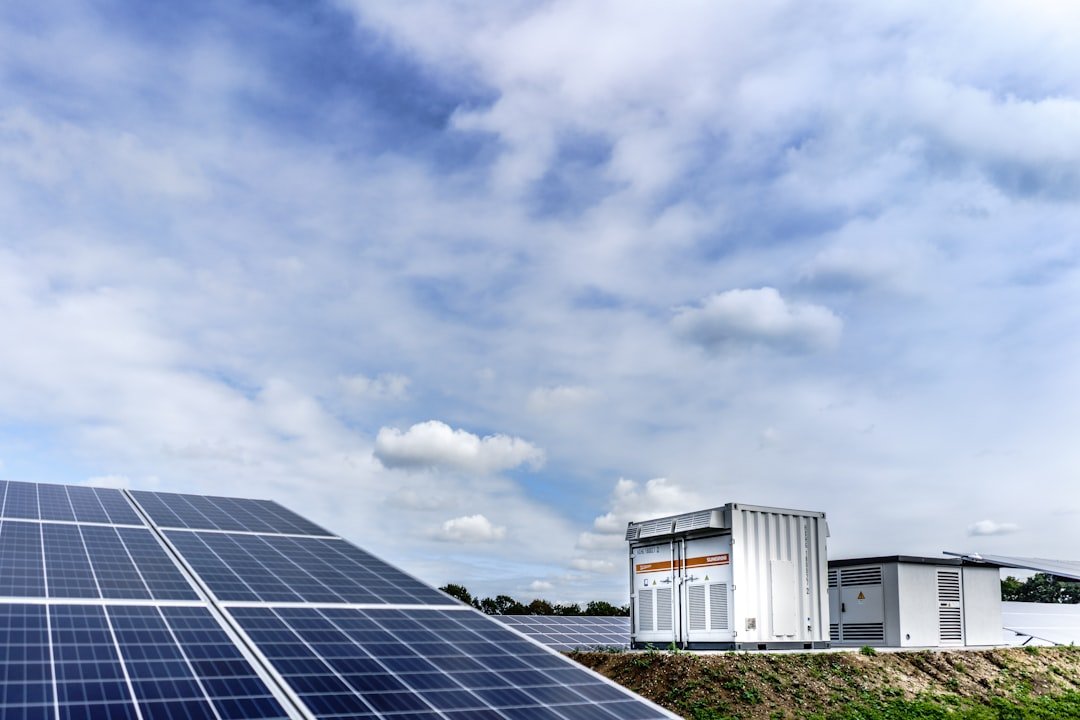
Solar battery storage turns the intermittent power you get from sunlight into usable electricity anytime you need it. For beginners, the concept is simple: capture solar energy, store it in a battery, and use it when the sun isn’t shining. This post explains the basics so you can make practical decisions for home or small off-grid systems.
Most residential systems pair batteries with rooftop solar panels to reduce grid dependence, lower energy bills and provide backup power during outages. Below you’ll find clear definitions, the main components, how to size a system, maintenance tips, a checklist, and a short FAQ to get you started.
How solar battery storage works — the simple cycle
At its core a solar battery system has three stages: generation, storage, and use. Solar panels convert sunlight to DC electricity; a charge controller and inverter manage and convert that energy; and the battery stores it for later use. During the day your system often powers loads directly while charging the battery; at night or during outages, the battery discharges to supply your home.
Some setups include a portable or whole-home backup device that isolates essential circuits when the grid fails, turning your solar and batteries into reliable solar generators. Understanding the energy flow helps you choose the right components and protection features.
Types of batteries — pros and cons for beginners
Batteries differ by chemistry, cost, cycle life and safety. Lead-acid (AGM, gel) is cheaper upfront but heavier and has fewer cycles. Lithium iron phosphate (LiFePO4) offers longer life, higher usable capacity and better depth-of-discharge, but costs more initially. For most homeowners looking at multi-year performance, solar batteries based on LiFePO4 or other lithium chemistries are the best long-term value.
Consider also battery management systems (BMS) which protect against overcharge, over-discharge and thermal issues; a robust BMS is essential for safe, reliable operation.
Sizing a battery system — how much do you really need?
Sizing depends on your daily energy use, how many days of autonomy you want, and whether you’ll run all loads or only essentials during outages. Start with a typical month or week of energy bills to determine average daily kWh. Factor in inverter and system losses (usually 10–15%) and the battery’s usable capacity (not total capacity).
Tools and monitors that track real-time consumption make sizing easier. A dedicated home energy monitoring device can show which appliances use the most power and when, helping you decide whether to size for whole-house support or critical circuits only.
Key components — what’s in the system and why it matters
A complete system typically includes: solar panels, a charge controller, an inverter (or hybrid inverter), the battery bank, wiring/installation hardware, and monitoring. The inverter converts DC to AC and coordinates charging/discharging; the charge controller optimizes charging from panels when a separate controller is used.
Choose inverters designed for battery integration — pure sine wave hybrid inverters, battery-ready units, or systems with built-in UPS features reduce complexity. Browse trusted inverters that support battery integration and system stability. If you have a separate charging stage from the array, a quality solar charge controller improves charging efficiency and battery longevity.
Charging and discharging basics — efficiency and lifespan
Charge strategy affects both usable energy and battery life. Fast charging is convenient but can stress some chemistries unless controlled; most LiFePO4 batteries accept faster rates with proper BMS. Never discharge deep repeatedly on a battery that’s not designed for the intended depth of discharge. Round-trip efficiency (energy in vs. energy out) typically ranges from 80–95% depending on battery and inverter losses.
For portable or temporary setups, integrated units like portable power stations combine battery, inverter and sometimes solar input into a single package, simplifying charging and use for short-term backup or outdoor activities.
Costs, lifespan and maintenance — realistic expectations
Expect a higher upfront cost for battery-capable systems than for panels alone, but lower long-term operating costs and better energy resilience. LiFePO4 batteries can provide 2,000–10,000 cycles depending on quality and depth of discharge; lead-acid types often last a few hundred cycles. Consider the value of reliable backup power for critical loads when calculating return on investment.
Maintenance is mostly periodic: check connections, keep firmware updated on smart components, and ensure batteries are stored or installed in appropriate temperature ranges. Regular inspection is far cheaper than troubleshooting a failed system after a storm.
Installation and safety — what to check before you buy
Proper installation affects performance and safety. Use certified installers for grid-connected or high-voltage systems, ensure proper ventilation for battery enclosures (if required), and install overcurrent protection, fuses and appropriate disconnects. Verify that the inverter supports islanding protection if tied to the grid, and that transfer switches or critical-load panels are configured for seamless backup.
For DIY-friendly and camping-ready setups, some consumers prefer plug-and-play options that reduce wiring complexity, but even those benefit from professional review for long-term home use.
Checklist — quick planning guide
- Measure average daily kWh from bills or monitoring device.
- Decide target backup duration (hours or days) for essential loads.
- Choose battery chemistry based on lifespan, weight, and cost.
- Confirm inverter compatibility and UPS/transfer capabilities.
- Include a home energy monitor for accurate load profiling.
- Plan for installation space, ventilation, and safety clearances.
- Get quotes from at least two certified installers and compare warranties.
FAQ
- How long will a solar battery run my house? It depends on capacity and load. A 10 kWh usable battery can run essential loads (fridge, lights, router) for a day or power a whole house with strict conservation for several hours.
- Do batteries work during a power outage? Yes — if your inverter and system are configured for backup and the battery has charge. Systems without appropriate transfer switches won’t automatically supply house circuits.
- Can I add batteries to an existing solar system? Often yes; you’ll need an inverter that supports batteries or an external hybrid/inverter-based storage solution. Check compatibility before purchasing components.
- What maintenance do batteries require? Minimal for lithium types: keep terminals clean, monitor state-of-charge and temperatures. Lead-acid may require regular water checks if not sealed.
- Are battery systems safe indoors? Modern lithium batteries with built-in BMS are designed for indoor installation when manufacturer guidelines are followed. Proper installation and ventilation are important.
Conclusion — practical takeaway: start with accurate load data, choose a battery chemistry that matches your goals (long life vs. low cost), and select compatible inverter and controller components. For many homeowners, pairing efficient solar panels with quality solar batteries, an appropriate inverter and a reliable solar charge controller delivers the best balance of resilience and long-term value. Use home energy monitoring to refine sizing, consider solar generators or portable power stations for flexible backup, and compare options for backup power before committing.
