
Umrah Packing List for First-Time Pilgrims
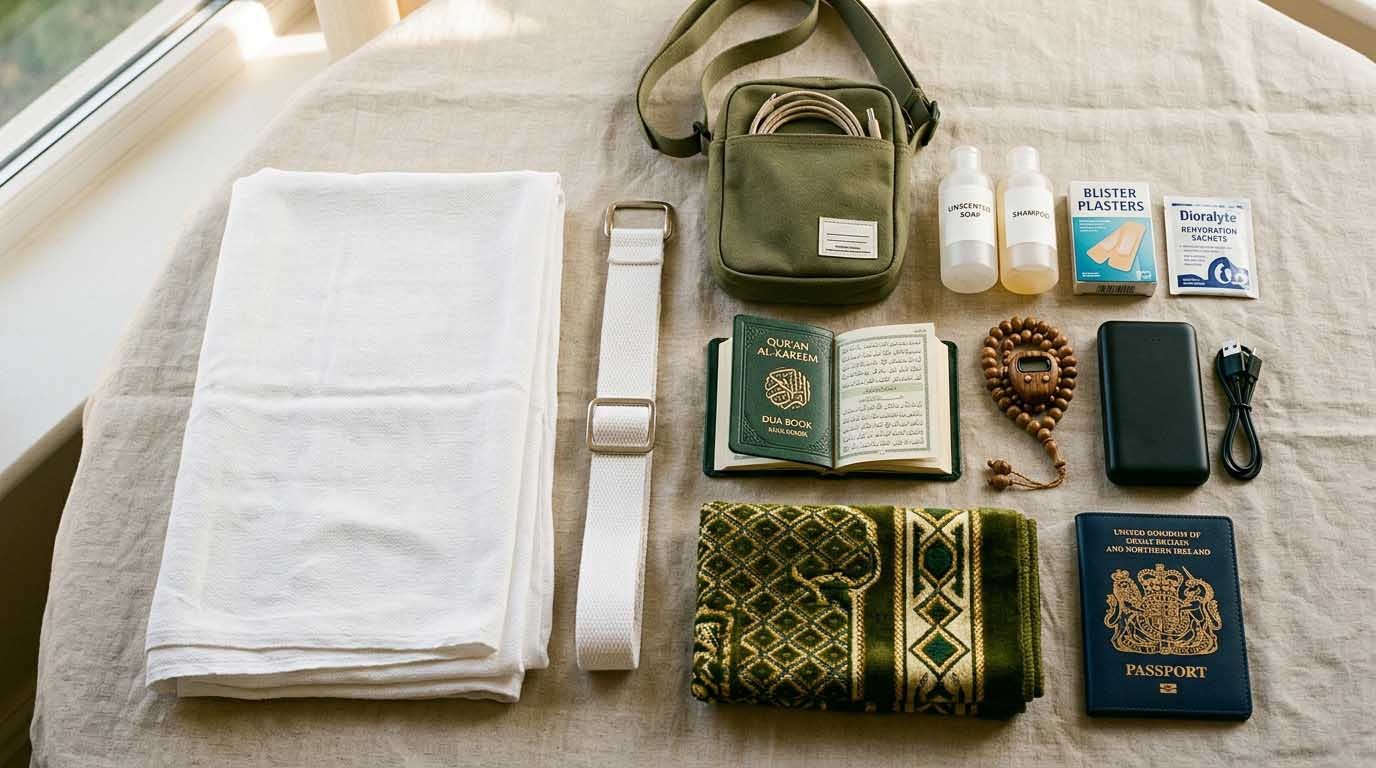
Preparing for Umrah is as much about intention as preparation. A well-planned packing list reduces stress, keeps you focused on worship, and helps you manage the physical challenges of travel and crowded sites.
This guide gives practical, trustworthy advice for first-time pilgrims: what to pack, what to leave behind, and small items that make a big difference. Where relevant, we point to helpful products and categories available from Smart World Publishing to simplify shopping before you go.
Before You Go: Documents, tickets and essential pre-trip items
Start with a folder dedicated to travel documents: passport with valid visa, flight tickets, hotel confirmations, and a copy of your vaccination proof if needed. Keep both physical and digital copies (scanned to email or cloud). Bring a small, lockable document pouch to carry these while in transit.
For tailored Umrah gear and checklists you can browse the full Hajj & Umrah category to find recommended travel sets and essentials that suit first-time pilgrims.
Luggage and packing strategy
Choose one medium suitcase and one small carry-on/backpack. Overpacking increases fatigue; aim for light, organized luggage. Use packing cubes or compression bags to separate clothing, toiletries and prayer items. Keep a day bag for water, phone, wallet and a small prayer mat during your daily outings.
If you need purpose-made organizers, check travel-friendly options under Travel Bags & Organizers—they’re designed for the pilgrimage routine and make security checks faster.
Clothing and Ihram essentials
Pack enough comfortable, breathable clothing for the climate and several layers for air-conditioned spaces. For men, bring two sets of Ihram (unstitched or stitched depending on preference and local rules), lightweight sandals with good grip, and a small pouch for perfumes to remove before entering Ihram.
Women should pack loose, modest clothing that’s easy to put on and remove for wudu; include a few comfortable abayas, a light scarf, and slip-on shoes. You can find appropriate garments and accessories in the Ihram & Clothing section.
Prayer and worship essentials
Bring items that support devotion and convenience: a small, portable prayer mat, a pocket-sized Qur’an if you prefer, a set of tasbih (prayer beads), and any dua/remembrance cards you lean on. A compact tasbih or finger counter helps during long dhikr sessions without bulk.
Smart World Publishing stocks a range of items in Prayer & Worship Essentials to help you perform prayers comfortably while traveling.
Portable prayer items — what to carry daily
A small, waterproof travel mat is invaluable—easy to fold into a backpack or pocket and quick to lay down in a crowded area. Look for compact mats with a compass design to help orient yourself toward the Qibla in unfamiliar places.
Consider the lightweight Travel Prayer Mat (portable, waterproof) as a practical daily companion during Umrah.
Hydration, comfort and personal care
Hydration is a top priority. Carry an insulated water bottle and refill when possible—hot climate and long walking distances increase fluid needs. Pack cooling towels or a light neck gaiter, sunscreen (travel size), and a small first-aid kit with blister plasters and common OTC pain relief.
For ready-made solutions like hydration packs, cooling accessories, and personal comfort items, see the Hydration & Personal Comfort category.
Electronics, power and small extras
Bring a phone with an international SIM or roaming, a small power bank, and universal plug adapters. Download offline maps and prayer apps before you leave. Keep chargers and a backup cable in a small pouch so you don’t misplace them during long days.
If you use a digital tasbih, compass, or Azan clock at home, pack a compact alternative or ensure your phone has the needed apps and battery life to avoid interruptions to your worship.
Reading, supplications and learning materials
First-timers benefit from a small collection of guides and dua references to follow the rites and supplications confidently. Pocket-size dua cards or booklets are easy to consult between rituals and during rest periods.
Consider keeping a compact dua resource like the Islamic Dua Cards – 75 Essential Supplications in your carry bag for quick reference and memorization.
Packing checklist
- Passport, visa copies, travel insurance, vaccination proof
- Medium suitcase + carry-on backpack
- Ihram sets / modest clothing and comfortable shoes
- Travel prayer mat, pocket Qur’an, tasbih
- Insulated water bottle, electrolyte sachets, sun protection
- Small first-aid kit and personal medications (in original packaging)
- Phone, chargers, power bank, travel adapter
- Small toiletries kit (unscented soap for Ihram), wet wipes, hand sanitizer
- Money belt or neck pouch for cash/cards
- Copies of important contacts, local embassy, group leader phone
Practical packing tips for first-time pilgrims
Pack a separate “first 48 hours” bag with one change of clothes, toiletries, medications and travel documents so you can reach important items before luggage arrives. Use zip-lock bags for toiletries to prevent leaks. Label luggage with a clear tag and add a distinct ribbon for quick recognition on arrival.
Keep a small amount of local currency and a prepaid travel card on you; avoid carrying large amounts of cash. If traveling in a group, agree on a central meeting spot at your accommodation and inside Haram areas in case of separation.
FAQ
-
Q: What specific prayer resources should a first-time pilgrim bring?
A: Compact, easy-to-read resources are best: a pocket Qur’an, clear dua cards, and a small guidebook covering Umrah steps. For example, a set of dua cards helps with on-the-spot supplications and is easy to carry.
-
Q: Can I bring perfumes and lotions?
A: Avoid scented products once you enter Ihram. Keep perfumes sealed in checked luggage and use unscented toiletries for wudu and general hygiene while in Ihram.
-
Q: How many pairs of shoes should I pack?
A: Bring two pairs: comfortable walking shoes for transit and closed areas, and a pair of slip-on sandals for ease during rituals and shoe storage near prayer areas.
-
Q: What if I forget dua phrases or how to perform certain rites?
A: Carry clear, authoritative guides. A reliable pocket guide or book such as The Muslim Prayer Book (English & Arabic) can help with step-by-step instructions and translations while you’re on the move.
-
Q: Are there items I should definitely leave at home?
A: Avoid heavy jewelry, bulky electronics, and anything with a strong scent. Leave valuables in secure home storage or bank safe to reduce risk while traveling in crowds.
Conclusion
Pack with purpose: prioritize lightness, comfort and items that support worship and basic health. A small, organized bag of essentials and a calm checklist will let you focus on the spiritual journey rather than logistics. Prepare early, use reliable packing organizers, and keep your key documents accessible—then travel with a clear heart and practical readiness.
Products Featured in This Article

Islamic Dua Cards – 75 Essent…
Essential Daily Supplications: Includes 75 key duas from the Quran and Hadith, carefully selected for daily…

Travel Prayer Mat, 60cm*100cm Prayi…
✔ Small Pouch and Instructions ✔ Compass with Qibla finder : Easy to find Prayer Direction…

