
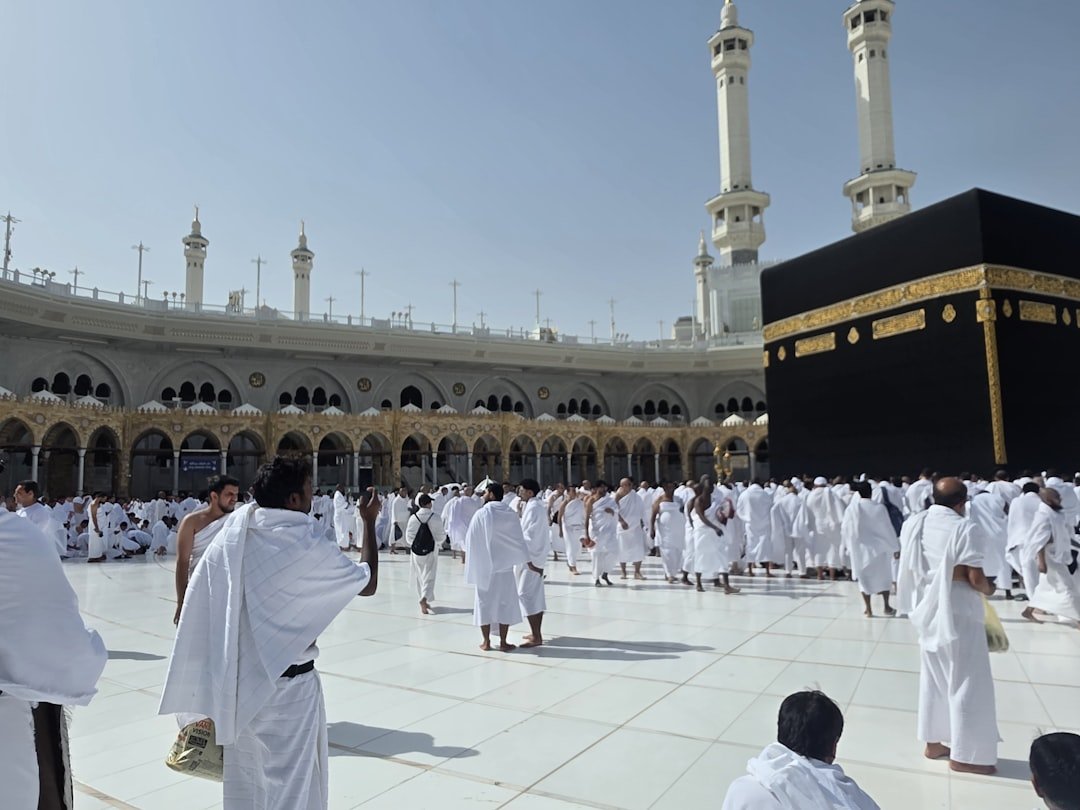
What to Keep in Your Day Bag During Hajj & Umrah
Heading out for Tawaf, Sa’i or to the Prophet’s Mosque means long days, crowds and limited access to your luggage. A well-packed day bag keeps essentials close, reduces stress and helps you focus on worship.
Use this practical list to prepare a compact, organised day bag tailored to Hajj & Umrah rituals and long walk days. If you need supplies or travel-specific items, check the Hajj & Umrah category for options that suit your trip.
1. Documents and money: keep them safe and accessible
Carry copies of passport, visa, ID, and your accommodation details in a waterproof sleeve. Keep original documents on you or in a secure travel pouch while leaving spare copies in your main luggage. Bring a small amount of local currency in cash, plus one card in a separate pocket.
For secure storage and easy access, consider compact organisers from the Travel Bags & Organizers category—look for RFID-blocking or zip-secured options that fit comfortably under your Ihram or inside a day bag.
2. Hydration and personal comfort
Staying hydrated during long rituals is essential. Carry a lightweight, refillable water bottle and electrolyte tablets or sachets to replace salts. Include a small towel or cooling cloth, lip balm, sunscreen (face and lips), and a travel-size deodorant.
If you prefer pre-selected comfort packs, browse the Hydration & Personal Comfort options to find compact kits designed for pilgrims.
3. Prayer items and easy worship tools
Pack a compact prayer mat or travel musallah, a small tasbih or digital counter, and a pocket-size Quran or dua cards for quiet moments. A lightweight compass or qibla finder helps when you need to pray away from established prayer areas.
A reliable option is the Travel Prayer Mat—compact, washable and often equipped with a compass pocket for quick orientation.
4. Small worship aids and reference material
Keep a set of dua cards or a small prayer booklet in your bag for moments when you need supplications or step-by-step reminders. These are compact, reduce the need to use phones, and make learning easy during repeat rituals.
See the selection of Prayer & Worship Essentials for tasbihs, pocket Qurans and laminated dua cards that are travel-friendly and durable.
5. Tech, power and communication
Your phone will be indispensable for maps, accommodation details, group communication and digital copies of documents. Pack a reliable power bank (20,000 mAh or higher if possible), a short charging cable and an international travel adapter. Keep items in a small tech pouch to avoid cable tangles.
If you expect long days without charging points, lightweight Portable Power Stations are useful for groups or those who need higher-capacity backup. For solo travellers preferring eco-friendly options, consider compact Solar Chargers to top up phones during outdoor waits.
6. Health, hygiene and first-aid basics
Bring a small hygiene kit: hand sanitizer, alcohol-free wet wipes, tissues, blister plasters, and a few basic medications (pain reliever, antacid, motion sickness tablets if needed). Keep any personal prescriptions in their original labelled containers and carry a doctor’s note if you rely on injectable medications.
A compact first-aid pouch helps you handle minor issues quickly without interrupting your day.
7. Clothing and footwear extras
Pack an extra pair of socks, a lightweight pair of slip-on sandals and a small foldable bag for sweaty or wet items. A lightweight hoodie or shawl can protect from sun and sudden temperature changes. For male pilgrims, include a spare ihram set if space permits; for women, a lightweight extra scarf and an underscarf can be lifesavers in long queues.
8. Navigation, guides and quick learning tools
Carry a small printed guide, a map of the Haram complex or the city area, and a compact book of essential duas and steps for Hajj & Umrah. Physical copies save battery and are quick to reference while moving.
For short, reliable references and learning aids, look at the Books, Guides & Islamic Resources section—compact books and laminated guides are especially useful in a crowded environment.
Quick checklist: pack this in your day bag
- Passport/ID copy, small cash, bank card
- Phone, charging cable, power bank
- Refillable water bottle + electrolyte sachets
- Travel prayer mat and small tasbih
- Hand sanitizer, wet wipes, tissues
- Blister plasters, basic medications
- Sunscreen, lip balm, lightweight scarf/hoodie
- Compact travel organiser or pouch for documents
Practical packing tips
Choose a comfortable bag: a small crossbody or chest bag keeps valuables safe and accessible. Use clear zip pouches or labelled compartments for quick retrieval—e.g., “Docs”, “Med”, “Electronics”, “Prayer”. Keep weight under 2–3 kg where possible to avoid fatigue; remove non-essential items once you settle into your routine.
During the busiest moments: what to prioritise
When crowds are heavy, prioritize documents, hydration and footwear comfort. Put your phone in airplane mode to conserve battery and avoid getting distracted by notifications. Use printed dua cards or a pocket Quran to maintain focus without needing your device.
Conclusion: one practical takeaway
Pack light, organise smartly, and make the day bag an extension of your worship routine: easy access to documents, hydration, prayer items and basic health supplies will keep you focused and comfortable throughout Hajj and Umrah.
FAQ
- How big should my day bag be? A compact crossbody or chest bag (5–8 litres) is ideal—large enough for essentials but small enough to stay secure and lightweight.
- Can I carry a power bank into the Haram? Yes—power banks are allowed, but keep them in carry-on and avoid using large battery packs inside crowded areas; a 20,000 mAh bank usually suffices for a day.
- What prayer items should be in the bag? A travel prayer mat, small tasbih or digital counter and pocket dua cards or small Quran are most helpful for short breaks and spontaneous prayers.
- Is it better to use a money belt or a pouch? A discreet money belt or an inside-the-clothing pouch provides extra security; alternatively, a concealed zipped pouch in a crossbody bag works well in crowds.
- How do I manage blister prevention? Pack blister plasters and change socks if needed; lightweight sandals with breathable socks reduce friction during long walks.
- Should I carry printed guides or rely on apps? Carry both if possible: printed quick guides save battery and work in crowded or offline situations; apps are useful for maps and group coordination.
Products Featured in This Article

Travel Prayer Mat, 60cm*100cm Prayi…
✔ Small Pouch and Instructions ✔ Compass with Qibla finder : Easy to find Prayer Direction…
