
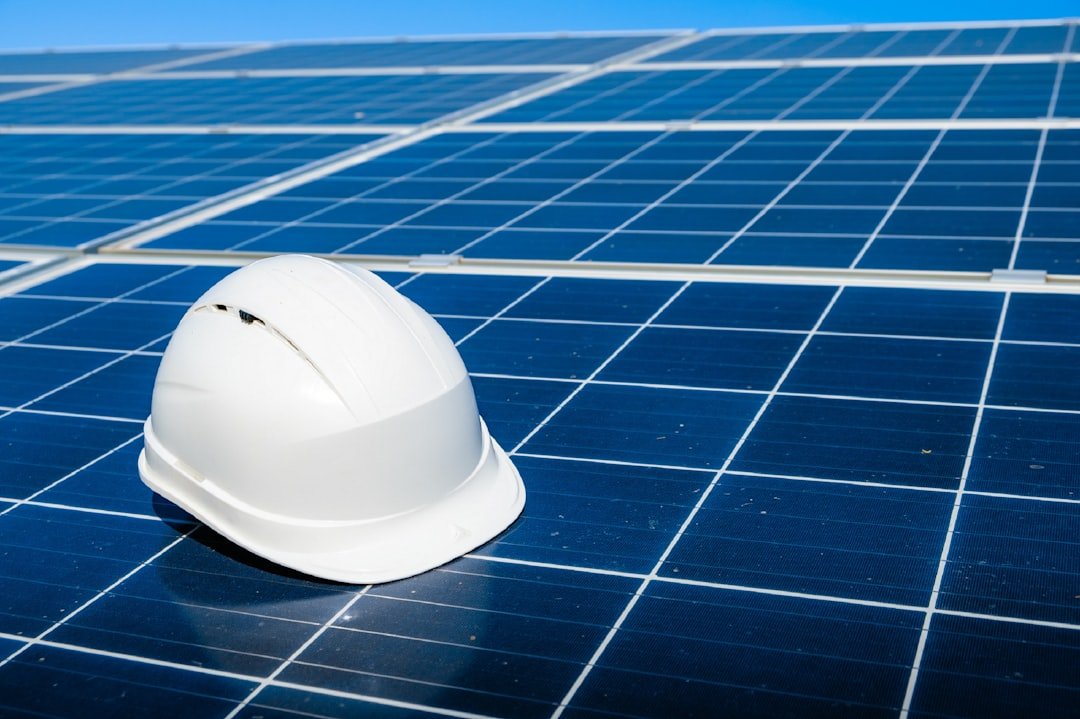
What to Know Before Installing Solar Panels at Home
Installing solar panels is one of the most practical home upgrades you can make: it reduces energy bills, lowers your carbon footprint, and can increase resilience during outages. But the success and value of a residential solar system depend on informed choices before, during, and after installation.
This guide covers the essential technical, financial, and practical factors to evaluate so you get a system that fits your roof, your budget, and your long-term energy goals. Read on to avoid common pitfalls and to plan a system that performs reliably for decades.
Is your roof right for solar?
Start with a realistic roof assessment. Ideal roofs have good sun exposure (south-facing in the Northern Hemisphere), limited shading, and a slope that matches local panel tilt recommendations. Structural condition matters: a roof that needs replacement within a few years should be repaired or re-roofed before panels go up. Ground-mounted options can be a solution if your roof isn’t suitable.
Panel choice and mounting options will affect shading tolerance and weight; research different manufacturers and mounting approaches when evaluating your site and the Solar Panels options available.
Costs, incentives, and payback timeline
Upfront costs vary by system size, equipment quality, and labor. Factor in permits, inspection fees, and any necessary electrical upgrades. Available incentives—federal tax credits, state rebates, and local programs—can significantly reduce net cost. Ask installers for an itemized estimate showing incentive assumptions and expected annual savings.
If resiliency is important, adding battery storage or a generator changes the economics and use case. For homeowners prioritizing backup during outages, explore battery options and full backup solutions under the Backup Power category to compare how storage affects cost and benefits.
Sizing your system: matching production to consumption
Size your system based on actual energy usage, not just square footage. Pull 12 months of utility bills or use a smart home energy meter to understand seasonal patterns and peak loads. Oversizing can waste budget on unused capacity; undersizing means continued grid dependence.
Install a monitoring solution to measure baseline consumption and track performance after installation. A dedicated Home Energy Monitoring product helps you size accurately, identify savings opportunities, and evaluate whether adding electric vehicle charging or storage makes sense.
Equipment you’ll need: panels, inverters, batteries, and controllers
Solar panels are the system’s energy source, but balance-of-system components determine reliability and performance. The inverter converts DC to AC and is a critical decision point—string inverters, microinverters, and hybrid inverters each have trade-offs in cost, monitoring granularity, shading tolerance, and expandability. Look for strong warranties and proven efficiency in Inverters.
If you plan to store energy, quality battery chemistry and capacity determine usable backup time and lifetime. Review cycle life, depth-of-discharge, warranty terms, and thermal operating ranges when comparing Solar Batteries.
Charge controllers regulate charging when you have battery storage or off-grid components. MPPT controllers offer higher efficiency and better performance in varied light; where a battery bank is part of the system, a good Solar Charge Controllers will protect battery life and improve harvest.
Permits, utility interconnection, and inspections
Permitting and grid interconnection are often the longest steps. Your installer should secure building permits, electrical permits, and submit interconnection paperwork for net metering or export agreements. Timelines vary by jurisdiction—confirm who handles applications and expected approval windows.
Understand local rules about export limits, production metering, and whether you need a dedicated production meter. Keep copies of permits and inspection reports; they matter for future resale and warranty claims.
Installation and mounting considerations
Experienced installers follow best practices for roof penetrations, flashing, and waterproofing. Racking systems, tilt frames, and wiring pathways affect durability and maintenance access. If you want a low-profile or aesthetic installation, specify frameless modules, rail-less mounts, or color-matched hardware.
Order the correct mounting and conduit accessories to ensure clean, code-compliant runs and secure attachments—browse Solar Installation Accessories to see common options and components used in quality installs.
Integrating EV charging and future expansion
If you own or plan to buy an electric vehicle, factor EV charging into system planning. Charging at home can significantly increase load and alters system sizing, time-of-use strategies, and potential storage needs. Consider managed charging or timed charging to align EV draws with solar production.
For direct solutions and hardware compatible with home solar setups, review available EV Chargers. They range from simple Level 1/2 units to smart, networked chargers that integrate with home energy systems.
Maintenance, monitoring, and long-term ownership
Solar systems are low-maintenance but not no-maintenance. Keep panels clean of debris, check for loose wiring or corrosion, and confirm inverters and batteries report green status on monitoring apps. Annual professional inspections catch mechanical or electrical issues early.
Monitoring systems give visibility into production vs. predicted output and can alert you to underperformance. Keep firmware and app access credentials safe to ensure long-term monitoring and warranty claims are possible.
Quick checklist before you sign a contract
- Confirm roof age/condition and schedule any needed repair before installation.
- Get multiple quotes with identical assumptions (panel count, inverter type, warranties).
- Verify who handles permits, interconnection, and inspections.
- Compare equipment warranties: panels, inverter, battery, and workmanship.
- Ask for a modeled production estimate and payback timeline using your utility rates.
- Decide now whether you want battery backup and plan system layout accordingly.
- Check installer references, proof of insurance, and licensing.
FAQ
- How long do solar panels last? Typical warranties are 25 years for performance, but many panels continue producing beyond that with gradual degradation. Components like inverters may need replacement earlier.
- Do I need batteries? Batteries are optional. They provide backup and time-shifting benefits but add cost. For grid-tied systems with reliable power and favorable net metering, batteries are not strictly necessary.
- Will solar work on a shaded roof? Partial shade reduces output and can harm strings without proper mitigation. Microinverters or optimizers help maintain production on shaded arrays, but site shading assessment is essential.
- How do I choose an installer? Look for local experience, clear written proposals, valid licensing/insurance, solid references, and transparent warranty responsibilities for both equipment and labor.
- Can I expand my system later? Yes—plan inverter capacity and roof space for future panels. Hybrid systems and some inverters allow staged expansion, but verify expandability with your installer before finalizing design.
Installing solar is a smart long-term investment when planned carefully. Prioritize a thorough site assessment, clear equipment and warranty choices, and an installer who handles permitting and interconnection professionally. With those pieces in place, you’ll maximize savings, reliability, and the lifetime value of your system.
